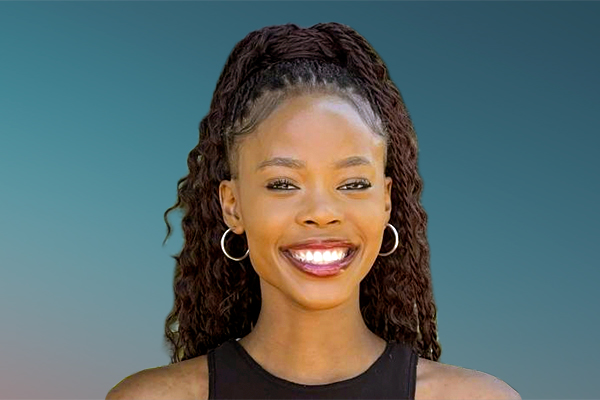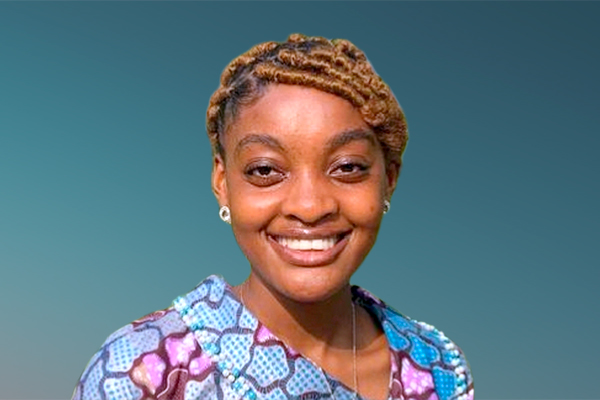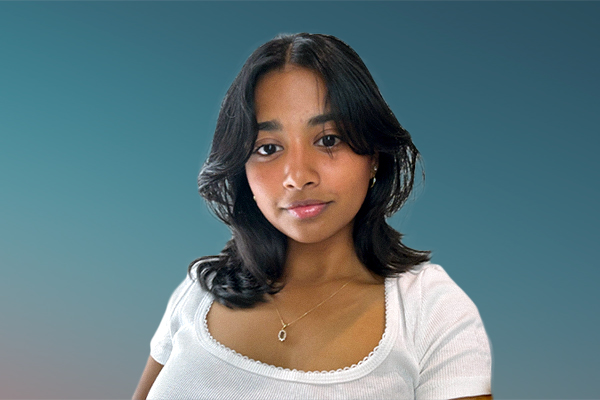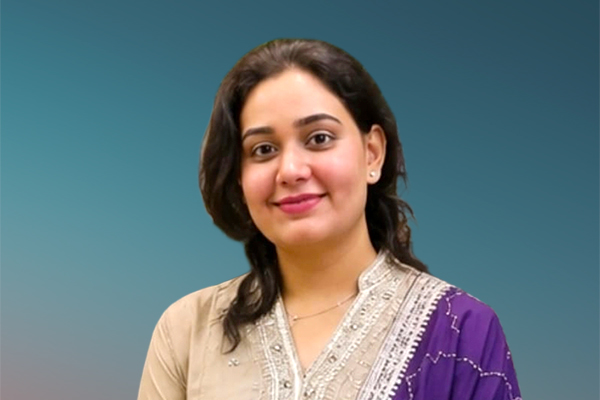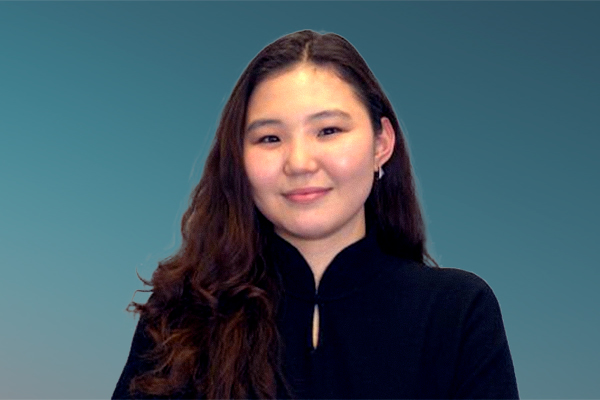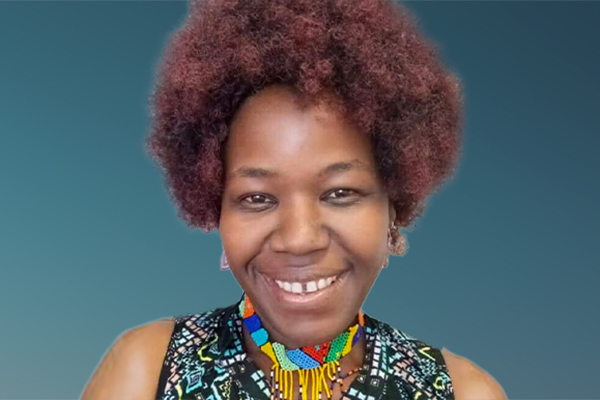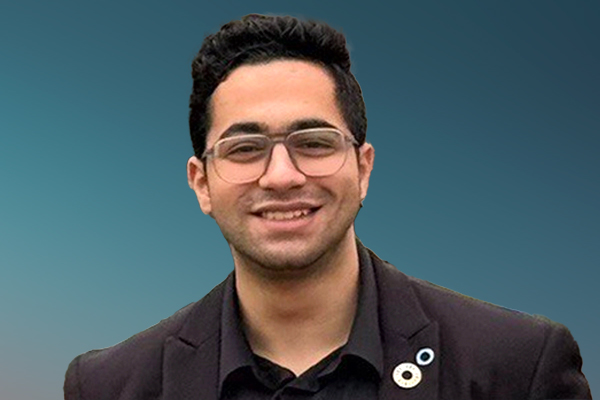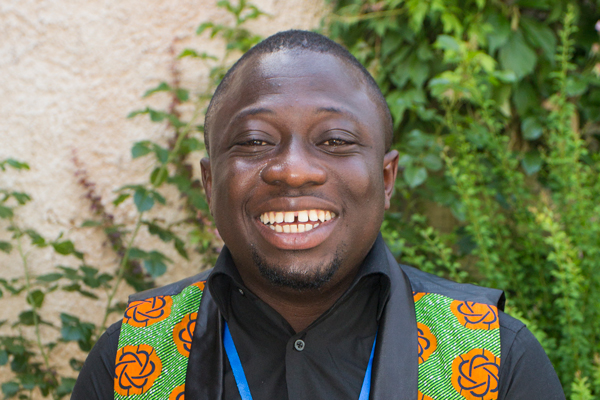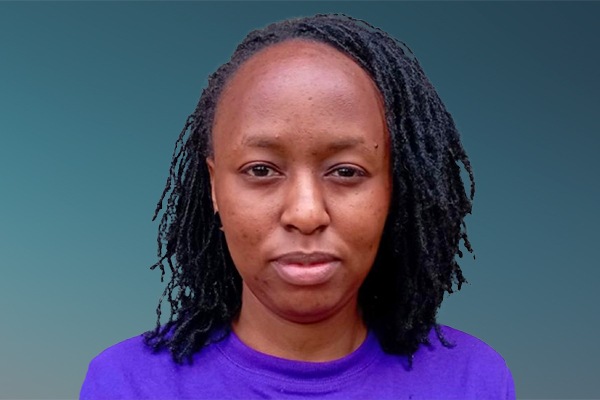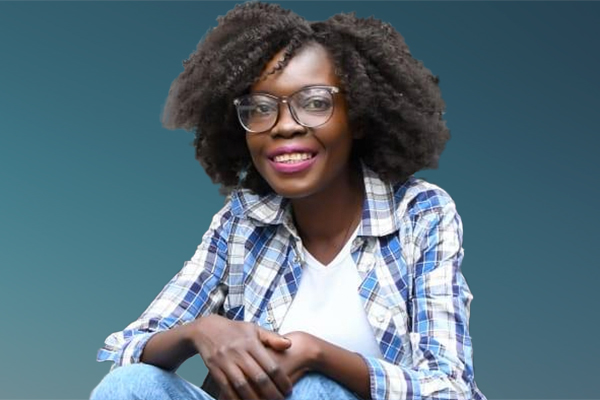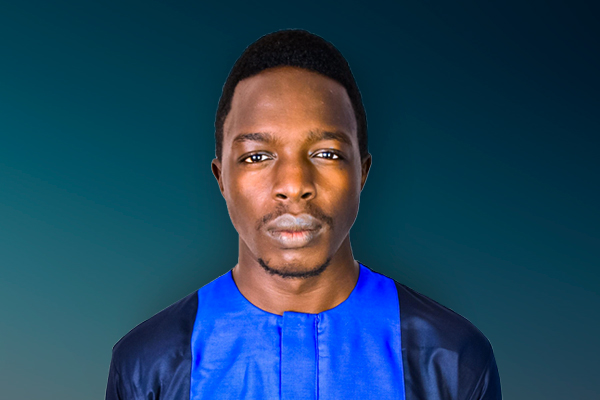
My name is Lulama Mthimunye and I am a 20 year old from Johannesburg, South Africa, currently pursuing a Bachelor of Science degree. Beyond academics, I am passionate about advocacy, public speaking and creating conversations that make young people feel seen and understood.
I am living with psoriasis, and my journey has shown me how deeply visible skin conditions can affect confidence, identity and mental wellbeing. What many people see as “just skin” often becomes something that shapes how a person moves through the world, whether they speak up in class, post a picture of themselves or feel comfortable simply existing in public spaces.
Through sharing my story, I hope to encourage honesty, representation and compassion for people living with chronic skin conditions. I would like my diary to be a space where vulnerability is not treated as weakness, but as proof that people can still exist fully and unapologetically while navigating invisible emotional battles.

23 June 2026
What took you so long?
Years of searching for answers taught me that sometimes the hardest part isn't getting a diagnosis, it's everything you endure before it.
Subtitles available in 'closed captioning (CC)' of video.
Transcript
"What's wrong with you?" It's a question I've been asked more times than I can count. Sometimes with disgust. Sometimes with curiosity. And sometimes by complete strangers.
Greetings. My name is Lulama Mthimunye from the Rainbow Nation, South Africa. For most of my life, I've had to explain my skin condition before I even got the chance to say my name. And the funny thing is, for most of my life, I asked myself the very same question: "What's wrong with me?" Because when all of this started, I didn't even know that there were different types of skin conditions.
I was around 11 years old when it all began. I had dandruff, but everyone thought it was just really bad dandruff. The problem was that it wasn't normal dandruff. I could get my hair braided on a Saturday and by Tuesday I would already have to take those braids out. The flakes didn't just stay in my scalp. They spread to my hairline and onto my forehead. So for years and years, I searched for answers.
What was wrong with me? I didn't know. And nobody else seemed to know either.
I went from one doctor to another. I was given pills. I was given creams. I was given multiple injections. Different opinions. Different treatments. And every time something didn't work, I was left with more questions than answers.
Quite quickly, before the doctors knew, I knew. Because I had spent so much time trying to understand what was happening to me that when I was finally diagnosed with psoriasis at 17 years old, I wasn't even surprised. I remember sitting there thinking, "What took you so long?" Because I had already spent countless hours researching, reading, and watching videos from people whose experiences looked just like mine.
So the diagnosis wasn't a surprise. It was confirmation.
Confirmation that all those hours spent trying to understand what was wrong with me had finally led me to the right answer. I remember this one outing where a group of friends and I were taking pictures. Afterwards, we were scrolling through them one by one. Then one girl looked at a photo and said my skin was ruining the aesthetic. She couldn't post it because my skin looked horrible and it was ruining the picture.
I wish I could tell you that I brushed it off. I didn't. Because when you're already struggling to accept yourself, a comment like that doesn't stay in that moment. It follows you home. It follows you into the mirror. It follows you every time you're deciding whether to show up or stay hidden.
So after a while, I stopped going out. I stopped taking pictures. I stopped showing up altogether.
I spent most of my time alone because hiding felt much easier than being seen. Psoriasis didn't just affect my skin. It changed the way I saw myself. And for the longest time, I wasn't afraid of my condition. I was afraid of the people around me.
27 July 2026
Me too
After sharing my own story, I realised it was never just about me. This diary is about the stories that connect us. I show that although our diagnoses are different, so many of our experiences are the same. The empty lecture hall represents how isolating living with an NCD can feel while the eyes remind us that many people feel watched or misunderstood. The notebook reflects my change in perspective from believing I was alone to realising there are many people who can say "me too." Crossing out "I" and replacing it with "we" and changing "my story" to "our story" symbolises that this journey became bigger than me. The comments surrounding me show that behind every diagnosis is a real person and by the end of the diary I show that healing is not only found in treatment but in knowing that someone else understands your story.
Subtitles available in 'closed captioning (CC)' of video.
Transcript
I used to think the hardest part of living with a chronic condition was the diagnosis. I was wrong. The hardest part was believing I was carrying it alone.
After sharing my story, something changed. People started sharing theirs. As I listened, I started noticing something. The diagnosis changed. The feelings didn't. Now what do our stories have in common? Stigma. Finances. Isolation. Mental health and discrimination.
It is not just you. Me too. One story became another. Then another. Until I realised I wasn't reading strangers' stories anymore. I was reading pieces of my own.
Somewhere along the way, I stopped seeing my condition. I started seeing people. People trying to study. Trying to work. Trying to fit in. Trying to belong. Trying to live, while carrying something most people cannot see.
Maybe that's what community really is. Not having the same diagnosis, but knowing exactly how it feels.
Sometimes, all it takes is one story to remind someone that they are not alone. Thank you so much for sharing. You and I share a story.
Me too.
20 August 2026
The first page
The first page reflects the idea that a diagnosis is never the end of someone's story, but the beginning of a new chapter. The notebook opens with the word "NEXT." to represent moving forward, while the medical file begins with only my diagnosis and gradually fills with memories, milestones and moments that shaped who I became. Essentially, the diagnosis is revealed to be only the first page of a much bigger story. It shows that while my diagnosis opened the file, it never got to write the rest of the pages.
Subtitles available in 'closed captioning (CC)' of video.
Transcript
People always say, "Turn the page." But nobody ever tells you what comes next.
Nobody prepares you for what happens after survival.
Now that's where my story really began.
They say every story has a next chapter. I just didn’t expect mine to begin with a diagnosis. For a long time, this file felt like it held my future. A diagnosis. A prescription. A name for what I was living with.
But somewhere along the way, I realised that this file didn't have to stop there. So, I started showing up. I started giving back. And I started speaking about the things that I once struggled to talk about. The stigma around visible conditions, the isolation that can come with them and the importance of people being diagnosed and supported instead of feeling like they have to figure everything out alone.
Not because I had all the answers, but because I knew what it felt like to need them.
I stopped asking, "Why did this happen to me?" and I started asking, "What can I do with it?" Every person I met. Every place I went, and every opportunity I said yes to became another page my diagnosis could never have written for me.
I thought this file would tell the story of my life. Turns out, it only told the beginning.
And I want that story to be different for the people who come after me. To governments: I want to see stronger awareness and earlier support for people that are living with NCDs, especially young people who are still trying to understand what is happening to them.
To healthcare providers, listen when young people tell you something isn't right. Take their concerns seriously and help them understand what they're living with. And to all of us, choose understanding before judgement. Ask questions, listen and remember that behind every diagnosis is a person trying to live their life.
Rivers don’t stop because they meet a rock. They find another way forward. So did I. I thought this file would tell the story of my life. Turns out it only told the beginning.
Interviewer: Was it worth it?
In all honesty, I don’t think that what happened to me was worth it...But what I would say is that what came from it... definitely.
Interviewer: What’s one thing psoriasis gave you?
A purpose that I never thought I'd have.
NCD Diaries
My skin was never the loudest thing about me. People’s reactions to it were.
Lulama Mthimunye, lived experience of psoriasis, South Africa
About NCD DIARIES
The NCD Diaries use rich and immersive multimedia approaches to share lived experiences to drive change, using a public narrative framework.