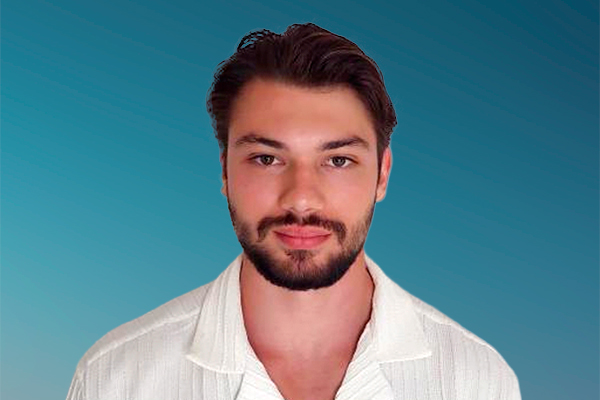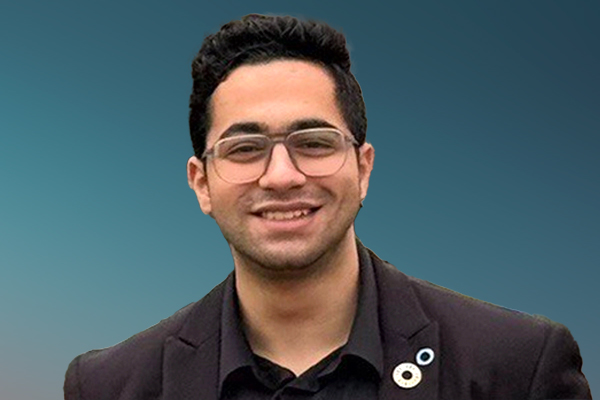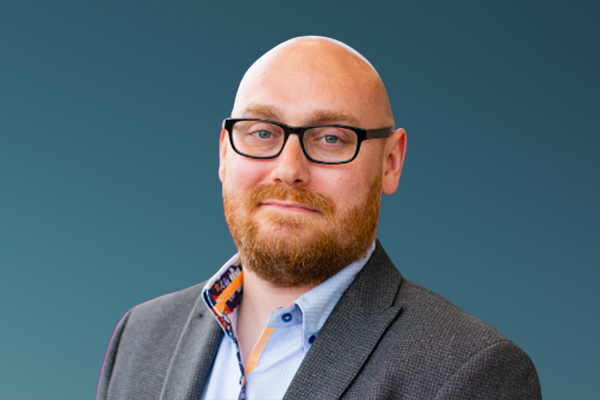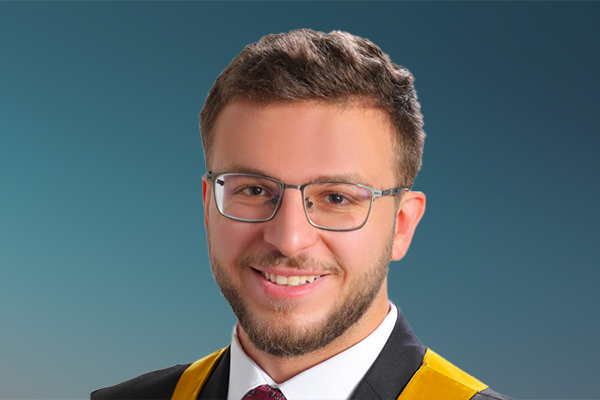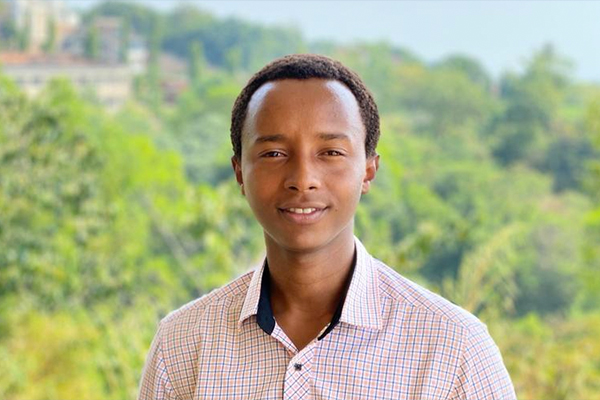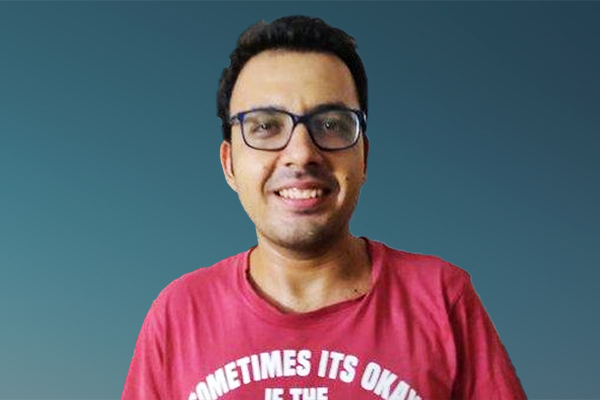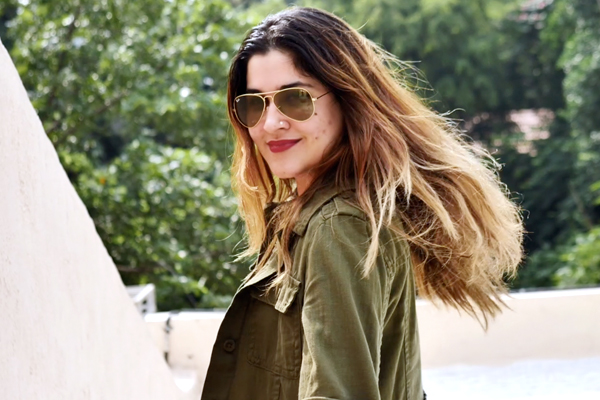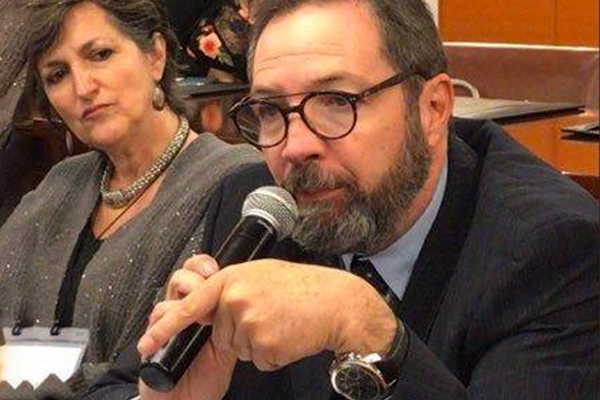
My name is Alexander and I have Type 1 diabetes. Since I was diagnosed at the age of 15, I have focused on learning how to integrate diabetes into my everyday life while raising awareness about diabetes management, prevention, oral health, and access to healthcare.
Through my involvement in the Bulgarian diabetes community and the NCD Diaries project, I aim to share my experience and advocate for better support and health policies for young people living with diabetes.

25 June 2026
Taking control: My journey with type 1 diabetes and oral health
I would like to begin my diary with the motto that has guided me throughout the past five years:
"Don't let the disease control you – be the one who controls it."
I clearly remember the day I was diagnosed with Type 1 diabetes in 2021. I was 15 years old, and the first emotions that overwhelmed me were fear and confusion. I knew that something in my life had changed forever, but I could not yet fully understand what that would mean.
Over the following weeks, I realized that Type 1 diabetes affects almost every aspect of daily life. I also learned a more important lesson: while diabetes is part of your life, the extent to which it affects you is largely in your hands.
One example is the relationship between diabetes and oral health. High blood glucose levels can increase the risk of tooth decay, gum disease, dry mouth, and slower healing of wounds inside the mouth. The connection works both ways, which makes oral health an important part of diabetes management.
One challenging situation is nighttime hypoglycaemia, when blood glucose drops below 3.9 mmol/L. In those moments, I need to consume fast-acting carbohydrates such as sugar, honey, or juice. If this happens after I have already brushed my teeth, I make sure to brush them again. I know how difficult it can be to interrupt your sleep, but this small habit can prevent many dental problems in the future.
Regular dental check-ups are also very important. Since being diagnosed with diabetes, I have had four cavities detected. Thankfully, they were all identified early and treated promptly. This experience taught me that early intervention makes a significant difference.
Another key factor is maintaining good blood glucose control through physical activity. Every form of movement helps. Personally, I exercise every day, whether through strength training or martial arts. Even a simple 10–15 minute walk can help smooth blood glucose fluctuations and improve overall control.
When it comes to food, it is more about understanding than restriction. Managing diabetes means learning to estimate the amount and type of carbohydrates in a meal and adjusting insulin accordingly. This is easier with a meal of grilled meat and vegetables than with a fast-food burger, where carbohydrate content can be harder to predict.
Over time, all of these practices become more than just tasks. For me, they have become habits, routines, and part of who I am. I do not approach them with frustration or resentment because they are investments in my health and future.
27 July 2026
Finding strength in community
One of the most valuable things I realized soon after being diagnosed with Type 1 diabetes was that I was not facing this journey alone.
While I was still in the hospital, the doctors and nurses took the time to explain how I could manage my diabetes and maintain my health. However, once I returned home, I quickly realized that everyday life presents countless situations that cannot all be addressed during a hospital stay. New questions kept arising, and I often found myself wondering what the best course of action would be.
I decided to connect with other people living with diabetes and was pleasantly surprised to discover how close-knit and well-organized the diabetes community in Bulgaria is. There are numerous online groups where people share valuable advice, support one another, and organize events together. From the very beginning, this sense of community made me feel less isolated, and accepted. It also inspired me to become an active member myself.
I started sharing my own experiences and helping others whenever I could. For example, I have lent insulin ampules to people who were temporarily staying in my hometown when local pharmacies had run out of the type of insulin they needed. Even a small act of support such as that can make a significant difference to someone living with diabetes.
Another invaluable source of support has been my family and friends. They have always treated me with understanding and encouraged me throughout this journey. Two of my close friends also live with diabetes—one with Type 1 diabetes and the other with Type 2. Both of them were diagnosed after I was, and I was grateful to be able to offer them guidance during those difficult first weeks after their diagnosis.
Today, all three of us have gained valuable experience living with diabetes. We regularly discuss new developments in diabetes care and exchange practical tips, such as how cardiovascular exercise can improve blood glucose control, how the right remineralising dental cream can help reduce the risk of cavities after nighttime hypoglycaemia, and the importance of choosing the right toothpaste, mouthwash, and sugar-free chewing gum. Together with other members of our community, we also raise awareness of the challenges people with diabetes continue to face within the Bulgarian healthcare system.
Knowing that I have people I can rely on in difficult moments—and that they know they can rely on me as well—is one of the greatest sources of confidence and motivation in my life. It makes me proud to be part of such a supportive community and reminds me that living with diabetes is not just about managing a condition, it is also about helping one another.
21 August 2026
What needs to change
However strong and supportive our Type 1 diabetes community may be in Bulgaria, the state has the greatest responsibility—and the greatest capacity—to influence our health and wellbeing. In Bulgaria, there are several areas that urgently require greater attention.
The first is the lack of awareness and understanding of Type 1 diabetes. I received care from highly competent doctors who explained my condition to me, but unfortunately, this is not always the case. Often, patients do not receive adequate education on how to manage their blood glucose levels. Many people living with Type 1 diabetes do not fully understand the difference between Type 1 and Type 2 diabetes and may believe that managing Type 1 is simply a matter of reducing their intake of bread and sweets. Many are unaware of the connection between diabetes and oral health.
As I mentioned in my previous entry, it is common in Bulgaria for people with diabetes to share insulin because pharmacies in smaller communities may have insufficient supplies or may not have the type of insulin a person needs. I am grateful that insulin is provided free of charge in Bulgaria, but there are other areas where greater government support is needed.
One example is access to continuous glucose monitoring sensors. Under the current reimbursement requirements, access to fully reimbursed sensors may depend on having an HbA1c level above 8.0%. HbA1c is a measure of a person's average blood glucose level over the previous two to three months. Without a Continuous Glucose Monitor (CGM), people may need to prick their fingers several times a day to measure their blood glucose and make decisions about insulin, food, and physical activity. This creates a problematic situation: people who are successfully managing their diabetes and maintaining blood glucose control may face greater barriers to accessing technologies, like CGM, that help them maintain that control.
Another important gap is prevention strategies by the government. There is generally no state-organised education about the relationship between diabetes and oral health and no public policy focused on preventive oral healthcare for people living with diabetes. Even simple measures could make a meaningful difference. For example, healthcare institutions could encourage people living with diabetes to attend preventive dental check-ups at least twice a year. Early detection and prevention could significantly reduce the risk of complications and improve long-term health outcomes.
I have highlighted these issues because I believe they need to be brought to the attention of policymakers. Addressing them would not necessarily require enormous resources or major structural changes. Small steps in education, prevention, access to technology, and coordinated healthcare could have a significant impact and make everyday life easier for people like me living with Type 1 diabetes.
NCD Diaries
Don't let the disease control you – be the one who controls it.
Alexander Iliev, lived experience of multiple chronic conditions, Bulgaria
About NCD DIARIES
The NCD Diaries use rich and immersive multimedia approaches to share lived experiences to drive change, using a public narrative framework.