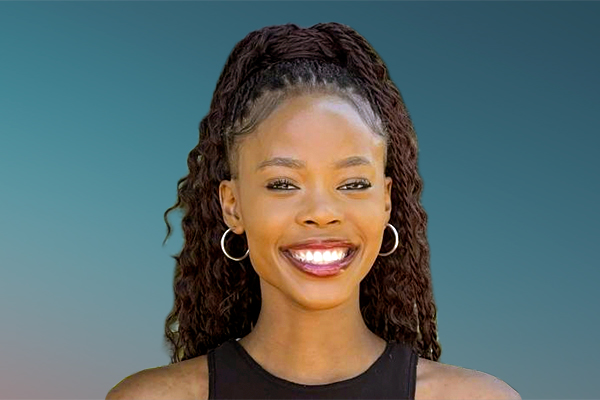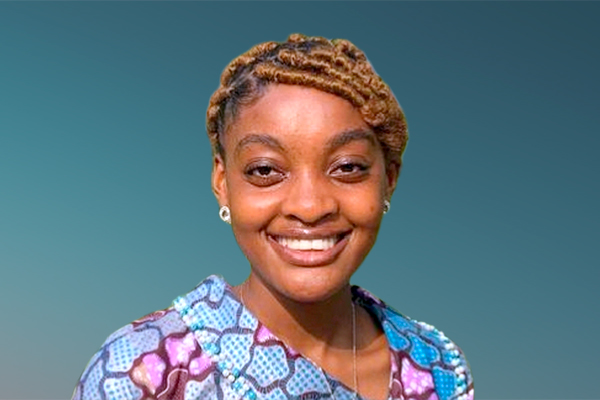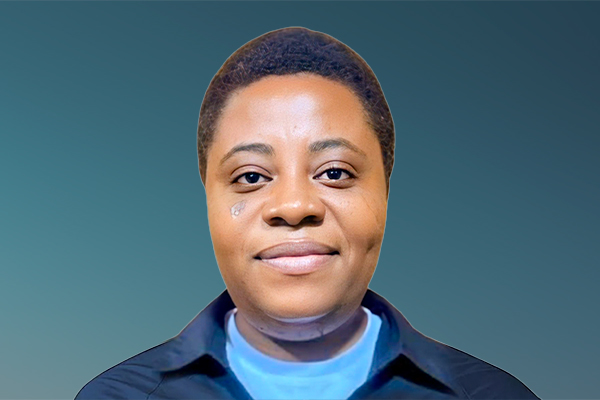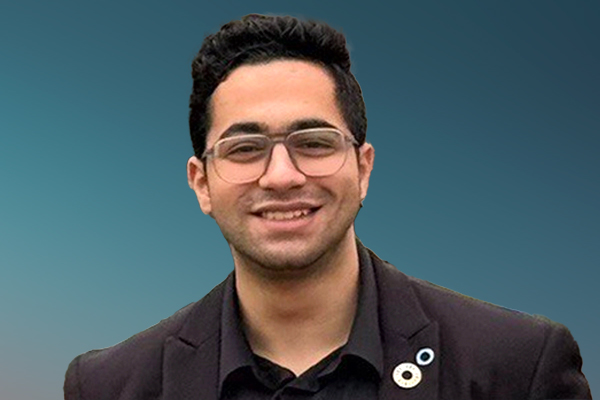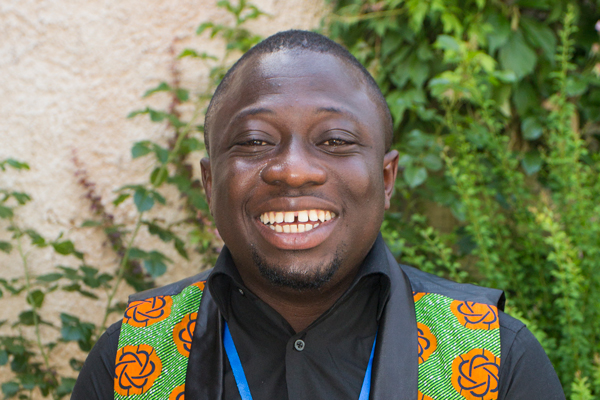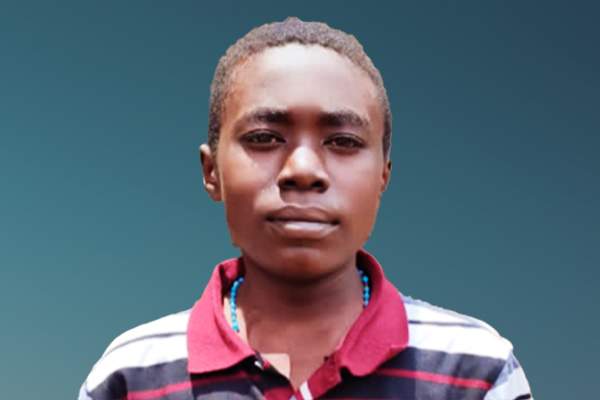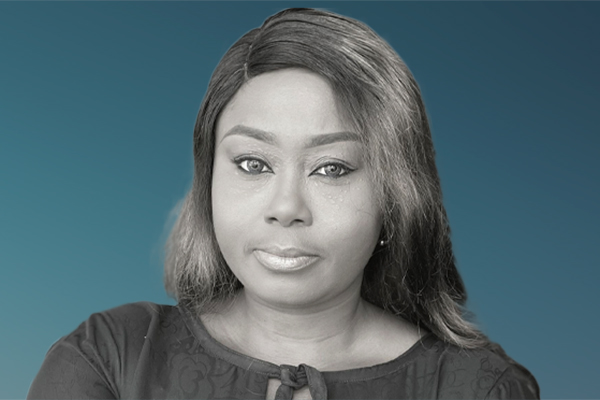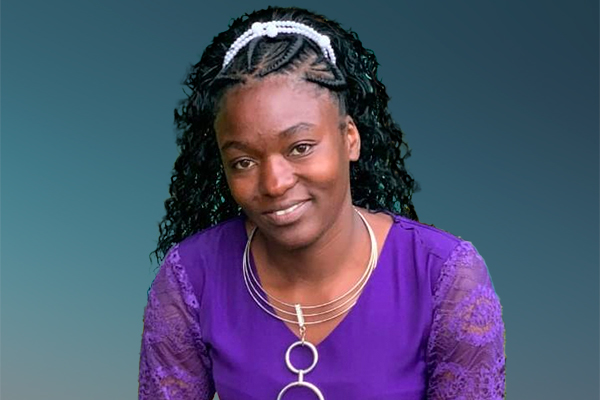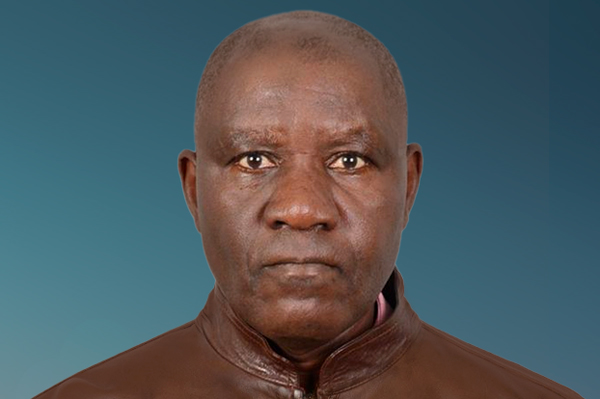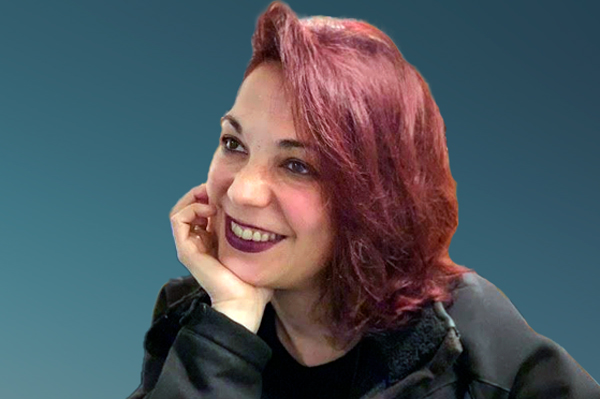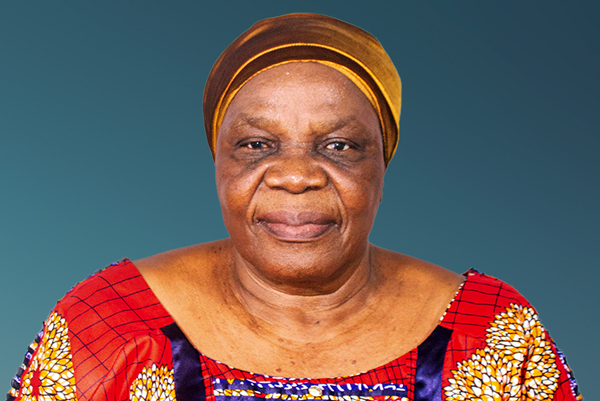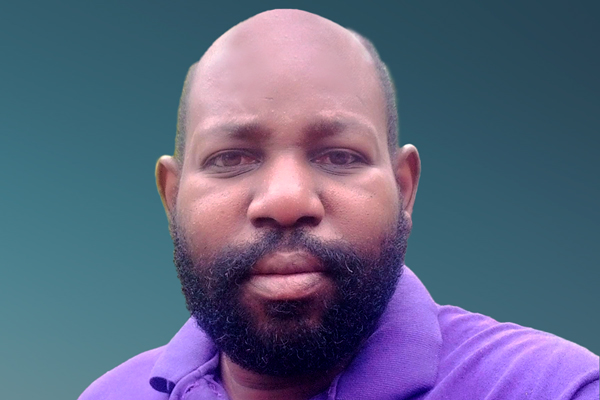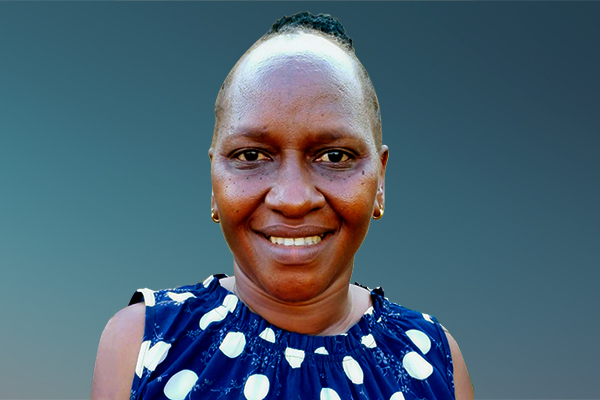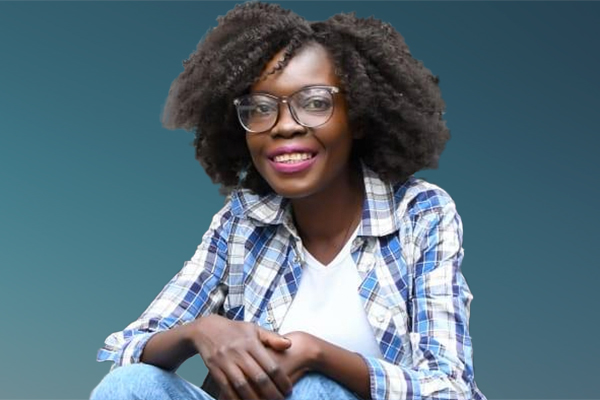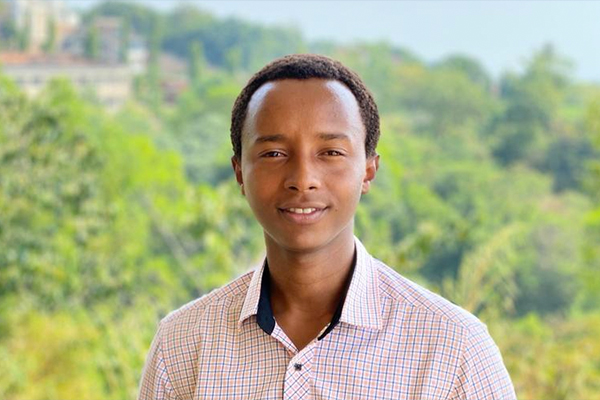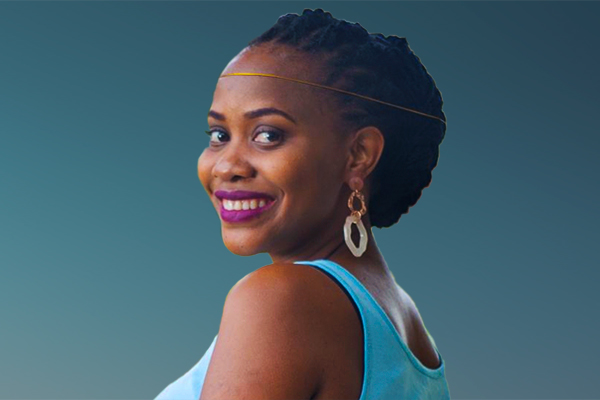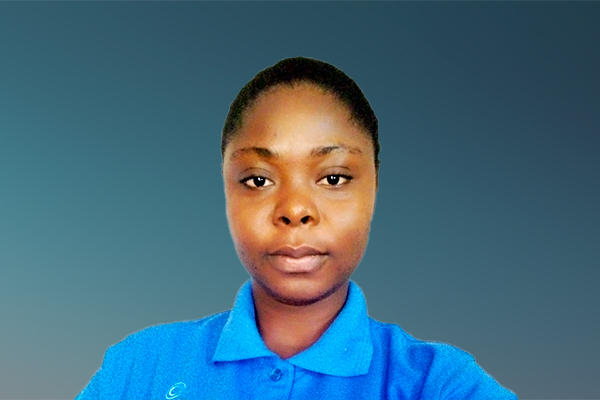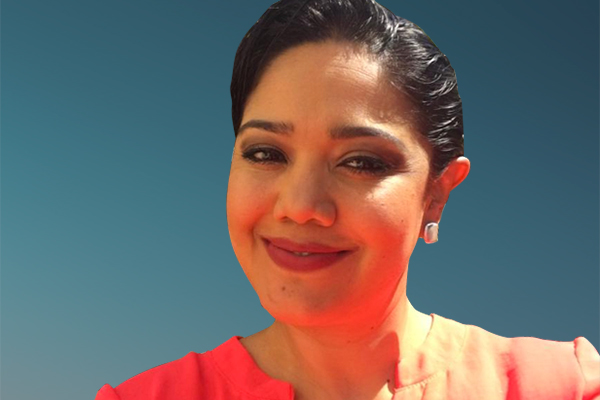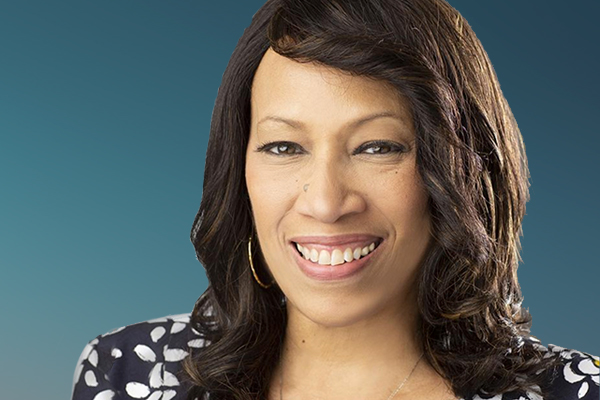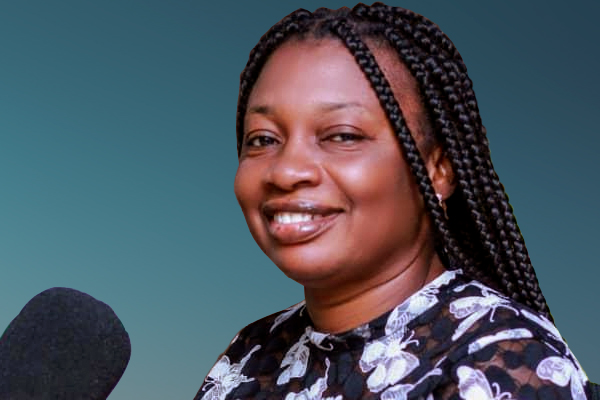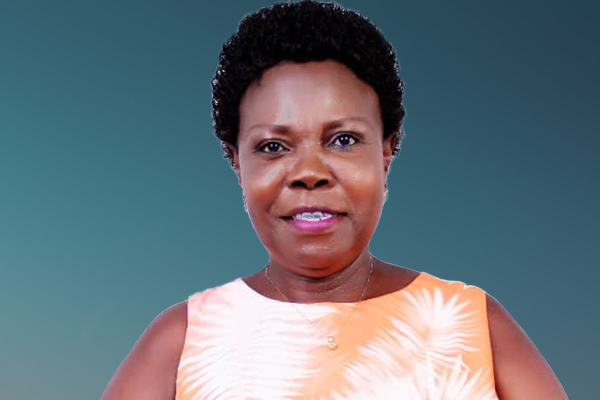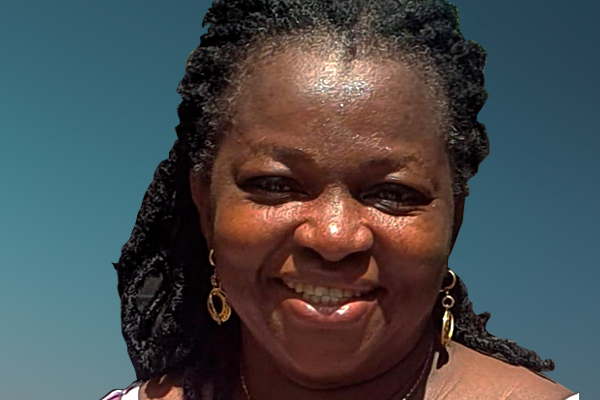
My name is Emmanuella Selasi Hormenoo, and I am from Ghana, West Africa. I was diagnosed with type 1 diabetes in 2021 and subsequently diagnosed with adjustment disorder, mixed with anxiety and depression (DSM – 5).
Suddenly hurled into a world of stigma, health poverty and lack of access to care, the feeling of injustice, anger, suffering and the need for change led me into advocacy. As a diabetes and youth health advocate, I see the urgency and necessity in amplifying lived-experience voices that speak not just of the challenges, but also of the victories, resilience and pragmatic strategies the community builds that lead to change, growth and improvement of the local and global healthcare systems. I strive for a world where one is not limited by their diagnosis. I am a diabetes advocate, writer, public speaker, and social activist living with type 1 diabetes.

23 July 2026
Surviving the System: My body, their debt
My name is Emmanuella Selasi Hormenoo, and I live with type 1 diabetes. My journey is a story of the consequences of ignorance and misinformation. Of how vulnerable individuals can fall prey to unlicensed practitioners, false miracle cures when desperation makes people susceptible to exploitation and the significant financial burden that arises.
Transcript
I am Emmanuella Selasi Hormenoo, a young adult living with type 1 diabetes in Ghana, West Africa and this is my NCD Diary. In my first episode, I will be telling the tale of the challenges of type 1 diabetes. So dear listener, I urge you to lend me your ears and be open-minded, devoid of any prejudice and misconception you may have about diabetes.
My story centers around three major challenges of living with diabetes; namely cost, access and education. I hope you are seated and ready as I take you on a journey not of fairytales but of the harrowing existence of living with an NCD.
It all began in May 2021, a few days after my twentieth birthday. It was during exam period of my second year in university and I was on an academic roll, acing my grades with a mission, believing nothing could stop me. Or so I thought. I began losing weight drastically, having recurring infections which were treated time and time again. But everything else was simply dismissed as exams stress.
The symptoms did subside after exams and I was back home for vacation, so all was forgotten until a week after when I started experiencing cramping pain in my abdomen, consistent vomiting, extreme thirst and excessive urination. The symptoms came like an avalanche and by night I was vomiting blood and was finally rushed to the polyclinic in my neighborhood. There I was once again being treated for an infection till a nurse checked my blood sugar and it was around 27 mmol/l. I was admitted for two weeks, weighing 39kg and discharged with a laundry list of food restrictions and Mixtard (premixed insulin).
With little education on the management of diabetes, I assumed I was healed after the insulin was done, not knowing there currently is no cure and that the insulin was to be continued indefinitely. It didn’t take long for the symptoms to return. Looks like diabetes did not appreciate being forgotten so soon. This time, the hunger was insane, I would wake up in the middle of the night crying in pain due to hunger, eating like a troll to no avail. It was then that I understood why people would do anything just to have something to eat, that hunger was cruel, a cruelty I wouldn’t wish on my enemy. The thought of experiencing that again scares me even to this day.
A second opinion was sought at a private clinic where I was told I didn’t have diabetes at all, that I actually needed sugar in my system instead. I was made to detox every two weeks and given medications with hibiscus and moringa teas. According to the doctor, diabetes was a scam manufactured by pharmaceutical companies to scam money out of patients. Looking back, I realize how absurd that sounds but, in my defense, I was misinformed and desperate for a cure. So, I believed everything hook, line and sinker. The treatment didn’t work obviously.
At this point, the spiritual was sought, and I was told by the pastor that a witch had injected sugar into me. We were made to pay for the “miracle” but the miracle sure did not arrive. The third opinion this time said it was type 2 diabetes; and Metformin (oral medication) was administered but during this period I was perpetually weak and exhausted. However, it was September and school was re-opening and as one who had an academic battle, diabetes wasn’t going to stop me from going to school or so I thought. I was humbled very quickly.
The narration from here on is a recollection of memories from other people, as I do not remember anything at all. Dear listeners, once again, join me on the journey to fill up the gap through the lenses of my family and friends. According to my friend Fafa, I looked pale with sunken eyes and shriveled and all they knew was that I was unwell. What condition it was remained unknown, but I still went shopping at the mall on the first day of school despite looking half-dead. Here, in desperation to get well enough for school, I began self-medicating, mixing up all medications acquired, hoping at least one worked or maybe a combination would prove a potent alternative. The end result obviously was nothing positive, I was barely conscious and according to Yolanda, she came rushing to my room after I was unresponsive on call. I do regret this happening; I placed my roommates in a very scary situation and for that I am sorry.
I was taken to Fafa’s home, which coincided with her invite to church so I was sent there, where according to the pastor, an ancestral spirit that was meant to protect me was draining my lifeforce instead. And I was then rushed to the University hospital and had fallen into a coma (no! I did not go to heaven; way too many people have asked this). According to my dad, three days later I was told my case had to be referred to a tertiary health facility. Unfortunately, all three major hospitals in the region didn’t have any beds available in the ICU, so I spent 48 hours in the ambulance. I only got a bed at the Greater Accra Regional Hospital after my father had reached out to a relative who had access to the ICU ward and was admitted and finally diagnosed with type 1 diabetes. Sometimes I think of the numerous patients that needed a bed but couldn’t. I may have been lucky, but many are not and sometimes the thoughts of the “what ifs” haunt me.
Now, the cost! I don’t think people understand how drastic your economic status changes when diagnosed with an NCD, how easy it is to become poor overnight. In Ghana, diabetes is called a “dbee sickness” (dbee is a term to refer to kids from rich families).Basically, it is extremely expensive! From admission costs, to medications, lab tests, x-rays, blood transfusions, transportation and on and on, my father had used up his entire savings, my aunt and grandmother had to quit their jobs to be readily available (spending all day at the hospital), my mom who was working out of the country then had to quit her job, pack everything and return. Relatives, friends, everyone kept contributing but the bills were never ending and loans had to be taken and even after five years since the ordeal, we still haven’t paid back all the debts accrued.
When I gained consciousness, I suffered multiple complications and had missed school. I was shattered that my academic life had been abruptly interrupted. My family was devastated; we don’t talk much about the impact families suffer. My family lost their livelihoods and savings; this is equally as distressing as being diagnosed.
I am deeply grateful to my family for never giving up even when it all looked bleak. But this is not the end, we are still being drained daily with every appointment, regular tests, medications and supplies and the debt keeps growing. As my father says, we spend and spend with no end in sight, a never-ending cycle.
People say I am not a burden, yet the system constantly reinforces that I am. The burden of diabetes does not disappear with reassurance. Medical debts, impossible choices between food and medication, school fees and supplies remain harsh realities. Guilt follows every sacrifice made to keep me alive. No one should have to live burdened by debt, guilt, and dependence, with their dignity diminished and survival reduced to accepting whatever limited support is available. I share this not for pity, but to urge action: pursue practical, sustainable health and financial reforms. Young people like me have the experience and expertise. Give us not only a platform but real power to drive change.
27 July 2026
The Type F Community: Families, friends and fighters
One diagnosis. Countless lives changed. This episode explores the unseen realities of the communities who carry the weight of an NCD journey and why investing in them is key to improving NCD care. Communities heal. Communities advocate. Communities carry hope!
Transcript
Hello cherished listeners.
Welcome to Episode 2. My name is Emmanuella Selasi Hormenoo and this is my NCD Diary.
When an individual is diagnosed with an NCD, it impacts not just the individual but the wider community. One diagnosis can capsize the lives of an entire community and it’s not talked about. In this episode we focus on the communities that is often sidelined, their invaluable impact and the power they have in bridging the gaps in NCD care.
As a young adult living with an NCD, I want to take you on a journey to have a glimpse of the realities of communities impacted, the type F (families and friends).
The first community, family! They literally spend themselves into debt, give up their livelihoods, brought into poverty with that is still not fully paid even after years. I will give an example with my family; my mom had to give up her entire career. My father suffers from PTSD after witnessing my diagnosis and its impacts. The mere sight of a syringe triggers him not to talk of having spent his entire life savings to save his daughter. Despite everything, they are my cheerleaders, supporting me in everything I do, making living with T1D easier, and bringing humor into depressive situations.
Then there is the T1D community I found through Dr. Elizabeth Bankah. When I was wallowing in despair, she found me in the ward, gave me my first sense of hope and helped me direct my anger into something productive and impactful – advocacy! When I thought I was alone with no one to truly understand me, she showed me that I could be understood and accepted. She introduced me to a new world, a world of individuals just like me, persons living with T1D having similar experiences, struggles and goals, through Diabetes Youth Care, where I met my sister in medicine Richel (S.I.M), a lived experience advocate. From there I met more communities of people living with NCDs such as PEN-Plus, NCDA, Voices in Action (VIA), and International Diabetes Federation (IDF) and many more!
As a young person, school is where one spends a majority of their lives and going back to school is a big priority. However, it’s not as easy as you’d think. The school system makes it extremely difficult to integrate. It is not just me - most people diagnosed with T1D have had to pause school for years, change schools or simply stop schooling altogether because there are no structures to support us.
But it won’t do well to just speak of the inadequacies without speaking of the support. The communities that school provided made school life bearable. In university, my hostel administration made staying on campus bearable, giving me an accessible room, checking up on me regularly, being first responders and giving access to my friends in times of emergencies.
I have multiple interests and one of them is debate. The debate society (University of Ghana Debate Society) is where I felt the safest and accepted. I was included in everything, just as it was before having T1D. Nothing changed in their attitude towards me. My friend group gave me a supportive space made for my rants and outbursts, because everyone needs a safe space where they can unload the negatives without being judged or ostracized.
My lecturers and teaching assistants (TAs) understood my struggles and made provisions to support me. My roommates were the best people ever, especially Vanessa! She became an expert in T1D care and management, taking time to learn all there is to know about T1D and made me her priority. She lived as though she had T1D just so she could understand and help me whenever!
But let’s hear directly from Vanessa and Zinnia about their experiences...
Vanessa’s Transcript:
I am Vanessa Anna Mensah and I was Selasi’s roommate from when she was in level 300 until she completed school and it was an amazing journey and a learning experience for me.
When she introduced herself to me, she made me aware of her condition immediately and I think she was surprised at how ready and willing I was to help her. I remember the first time she passed out; I was a little frightened but after that I got used to it, I learned very quickly. And I even started taking the initiative to learn things I could do to make her life a little easier, preparing spices that had blood sugar regulating properties and a whole lot of things. At the end it was fun, not so much for her, she was the one passing out from stress and all that but, I’m very happy I could be the shoulder that she could lean on especially because she’s such a diligent person.
She loved debating and would try to throw herself into whatever she needs to do and she always wanted to do things very well, that would cause stress. Stress leads to her sugars going haywire that would affect her adversely.
Taking care of someone with type 1 diabetes is not exceptionally difficult, you just need to be very communal. Extending hands and allowing the person to have a shoulder to lean on. Just being a support system for the person and in this case, I was glad I could be that kind of person for Selasi.
Zinnia’s perspective:
Hi everyone. My name is Zinnia and I have been living with type 1 diabetes for almost 4 years and I can honestly say that community makes a huge difference. Managing type 1 diabetes is a 24/7 job so there are no off days and it can feel really isolating when people around you don’t fully understand what you’re going through.
That’s why community is so important, whether it’s connecting with other people living with type 1 diabetes or your caregivers or your family or your friends or advocates. Having someone who truly understands your experiences reminds you that you are not alone. It’s a space to share tips, celebrate small wins, ask questions without judgement, and support each other throughout the tough days.
Community doesn’t make diabetes disappear. We get that! But it makes the journey lighter because together, we all learn from one another, we all advocate for better healthcare, and we remind each other that we’re capable of living a full, meaningful life despite the challenges.
These and many more are the community; they are the story of us! The community of people living with NCDs with similar struggles, experiences and goals, the community of family that is equally impacted by a diagnosis yet strive to fight, they are equally warriors, the community of friends that try to understand, learn and accept you, scars and all.
But supporting people living with NCDs alone is not enough. Families, caregivers, advocates, and communities also bear significant financial, emotional, and psychological burdens while navigating systems that often provide little support. Many carry these responsibilities alongside their own personal challenges. It's time to advocate for support systems that strengthen not only individuals living with NCDs but the entire community because no one faces this journey alone, and lasting change requires caring for everyone involved.
Community is at the heart of every meaningful change. Supporting people living with NCDs benefits everyone by reducing misinformation, stigma, and discrimination. The success of our efforts depends on the understanding, actions, and support of the communities around us. Whether you live with an NCD or know someone who does, we all have a role to play in building healthier, more inclusive communities.
7 September 2026
Beyond the Diagnosis: Why we must rethink the fight against NCDs
Too many people learn about diabetes only after receiving a diagnosis. Too many families discover the financial and emotional burden of NCDs only when they are already living through it. Too many health systems are forced to respond to crises that could have been prevented or detected earlier. And too often, we treat NCDs as individual problems when they are actually symptoms of our environment.
Transcript
Hello everyone, welcome to episode 3 of my NCD Diary.
Prior to my diagnosis, I had no idea what diabetes was. Yes, I knew of its existence but that was it. Every other thing I knew of diabetes was based on hearsays and misconceptions. There was absolutely no incentive whatsoever to learn about diabetes, the preventative measures, treatment and management strategies, nor the challenges that come with a diagnosis.
The status quo has created an information vacuum where people diagnosed with diabetes and NCDs are immediately overwhelmed by medical costs, discrimination and stigma. As a young person living with diabetes in an under-resourced setting, I believe education must be at the forefront of the NCD response. Greater awareness and sensitisation can challenge misinformation, reduce stigma and mobilise stakeholders to create meaningful change.
Medical costs, misinformation, stigma, lack of diabetes educators, weak health infrastructure and workforce, competing funding priorities, unsustainable aid, unhealthy food systems, environments and work cultures create significant barriers to accessing timely, affordable, equitable, and quality diabetes prevention, diagnosis, treatment, and long-term care, particularly in LMICs. These challenges affect not only people living with NCDs and their families but can strain health systems and contribute to wider economic losses through illness and reduced productivity.
There have been some efforts to address these issues in Ghana via policies and funding mechanisms. The 2022 Policy and Strategic Plan for the Prevention and Control of NCDs aims to reduce preventable NCD-related illness and deaths and in 2025 the government established the Ghana Medical Trust Fund to cover the cost of care and medications of chronic NCDs not covered in the National Health Insurance Scheme (NHIS). The NHIS provides equitable access and financial coverage for basic healthcare services to all residents, eliminating the need for out-of-pocket payments at the point of care.
But I believe there is still more to be done: there is a need for further integrated and sustainable approaches that prioritize domestic funding and scaling up of successful projects and initiatives. Let’s talk of some feasible actions based on existing working structures:
-
School systems: The Ministry of Education with Ghana Educations Service should include NCD education in the curriculum in the same way that infectious diseases are incorporated and create incentives for awareness creation through school-based clubs such as the Red Cross Society and Adolescent Health Clubs.
-
Use of Media: Entertainment can target all demographics irrespective of age, class or background. Examples of such ‘edutainment’ shows are MTV Shuga that boosted HIV awareness in Africa, YOLO, a popular Ghanaian youth television series that focused on adolescent reproductive health, and social challenges that young people face. Media like this has substantial impact and could be adopted for NCD awareness to reach the masses. This is exceptionally important because it helps create awareness in the sense that it creates a conscious and active model. People actively take in preventive measures and are consciously aware of the existence of NCDs, backed by facts, which is actually pushed by the ministries and other relevant organizations.
-
The food system: increased consumption of ultra processed food directly increases the risk of NCDs but access to healthy food options remain limited. How then do we make healthy food options cheaper and more accessible? Increased investment in agriculture from the Ministry of Food and Agriculture is a strategic and feasible plan, especially in LMICs where the agricultural industry has a lot of untapped potential. An example of a successful investment initiative is Ghana Goes Organic, which lowers food costs by stabilizing the local supply chain.
The burden of NCDs transcends health: according to the NCD Alliance, over a 100 million people are pushed into extreme poverty every year due to out-of-pocket expenditure on health, with a large portion attributable to NCD care and treatment. LMICs could save 8.2 million lives and prevent several NCDs and generate US$350 billion from their economies by 2030, simply by adopting the WHO Best Buys.
I need to emphasize on this especially: regardless of who you are, your social background, your age, or where you come from. We each have a role to play in ensuring society is healthier. It's time we move beyond reactive measures and make NCD prevention and care a population-wide priority. Too often, people only learn about NCDs at diagnosis, overlooking their wider social and economic impact. Population-wide awareness can challenge myths, reduce stigma, and enable communities to co-create practical solutions. This requires engagement across society, from schools, families, workplaces and media to healthcare professionals, pharmaceutical companies and policymakers.
NCD prevention cannot remain a health sector responsibility; building healthier societies requires every stakeholder to recognise, understand and act on the issue. We need all hands on deck to make prevention, early action, and dignity for people living with NCDs, a shared priority and responsibility.
NCD Diaries
One's diagnosis is built on resilience not in the absence of struggle but the courage to transform pain into purpose.
Emmanuella Selasi Hormenoo, lived experience of multiple chronic conditions, Ghana
About NCD DIARIES
The NCD Diaries use rich and immersive multimedia approaches to share lived experiences to drive change, using a public narrative framework.