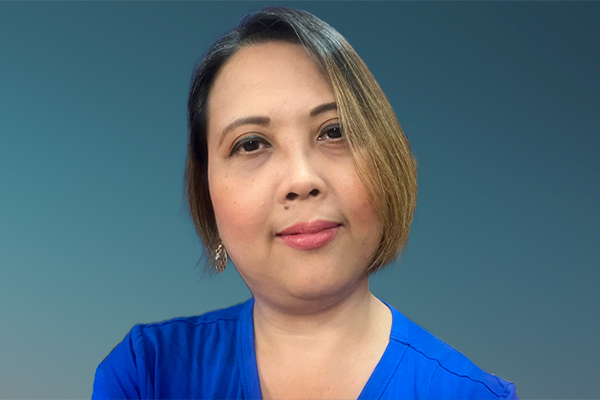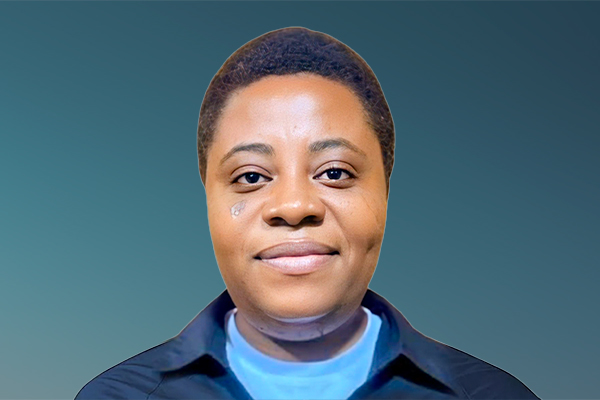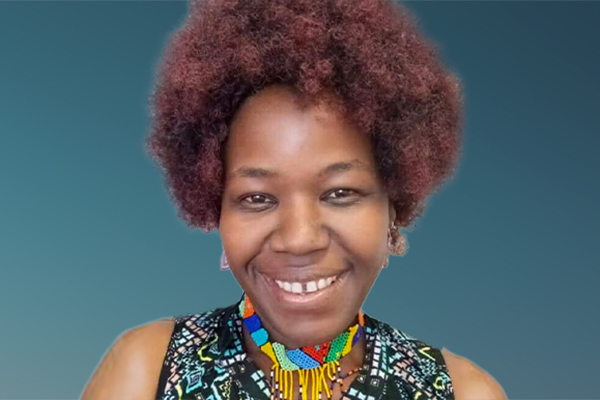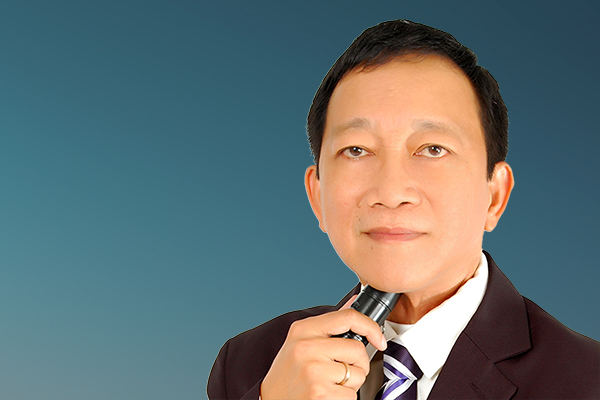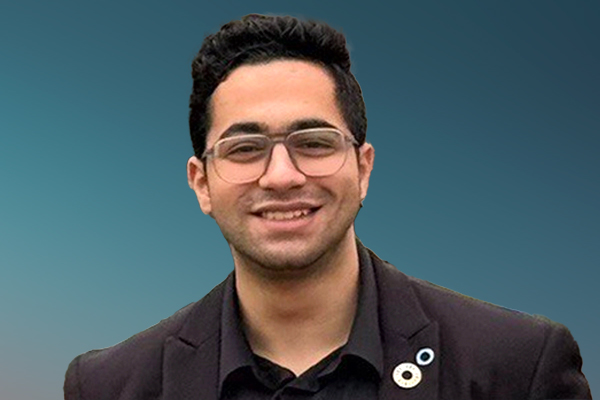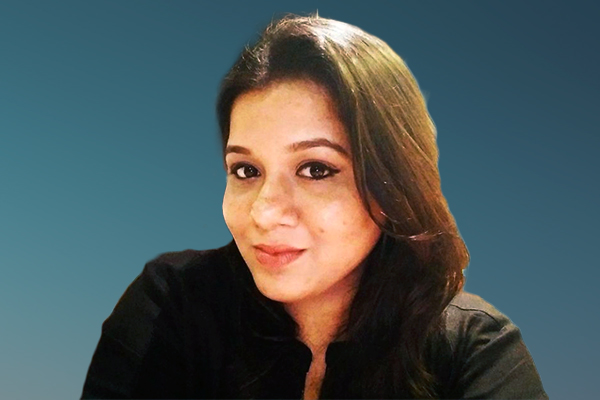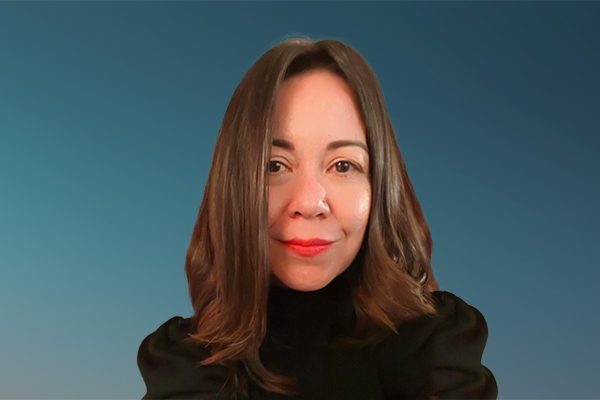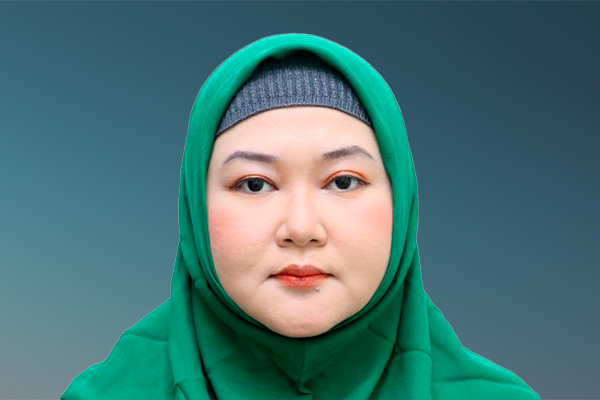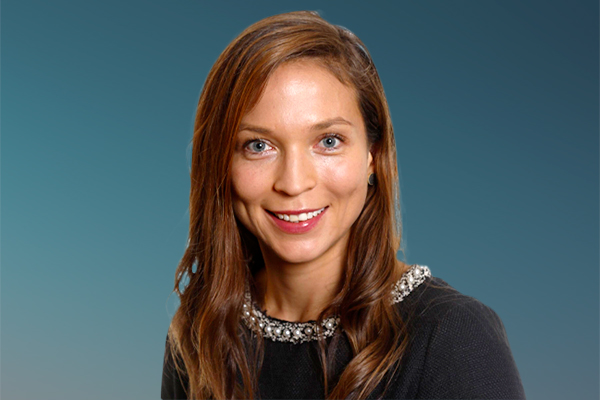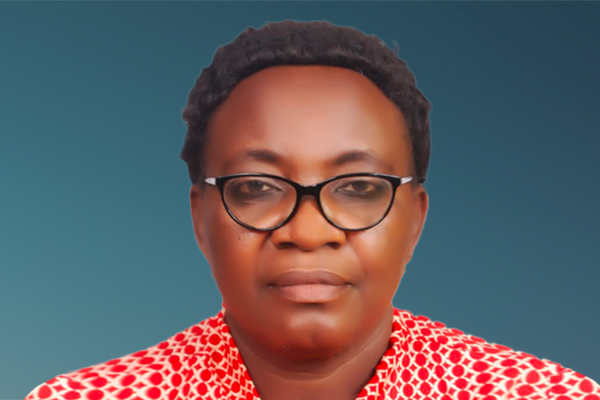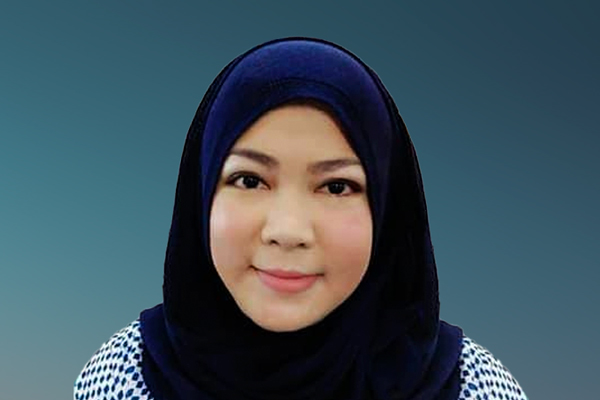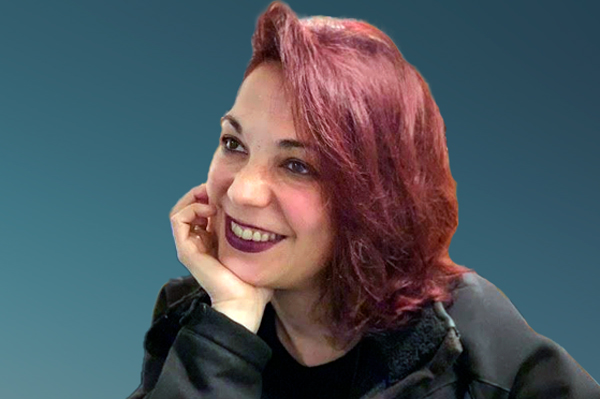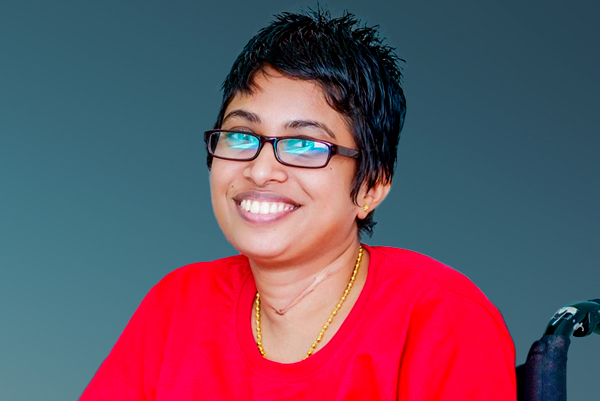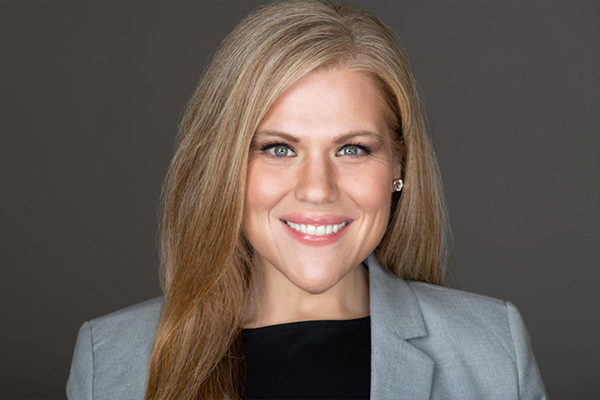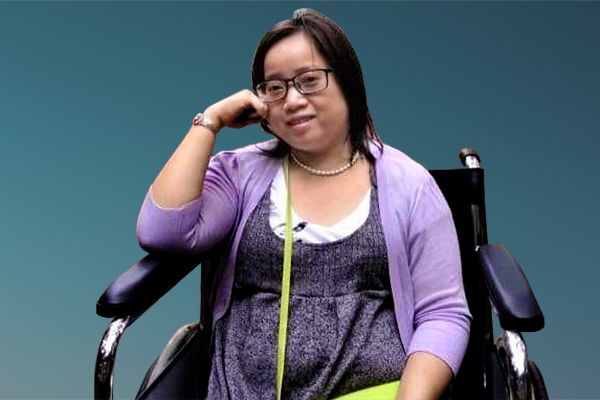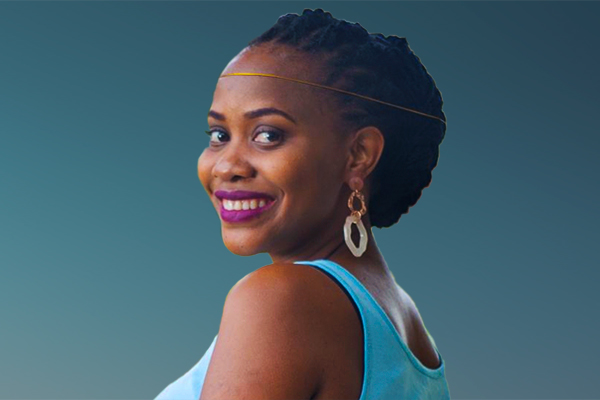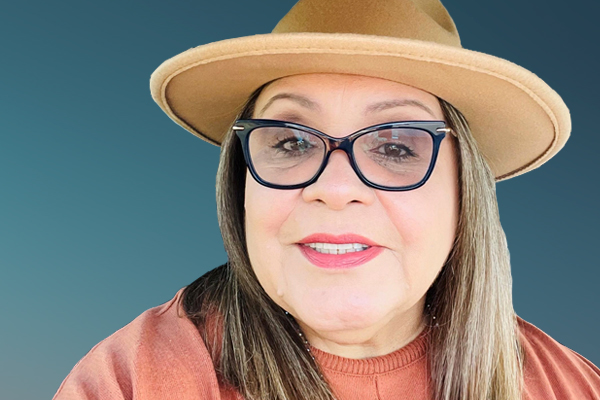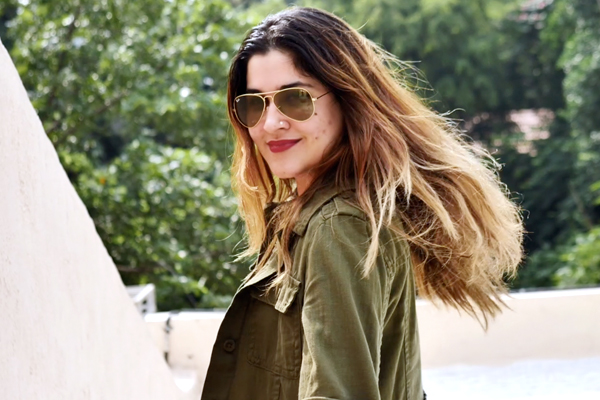
My name is Deanna Gracia. I was born and raised in Pontianak, Indonesia, but I’ve had the chance to study and work in Taiwan for the past 5 years. I was diagnosed with an autoimmune disorder called Graves' Disease in my second year of university, following a chronic spontaneous urticaria and angioedema episode.
I am on a mission to destigmatise and advocate for better detection, prevention, and support for Graves' Disease and other autoimmune disorders among young people in Asia and beyond.

27 June 2026
How I found out about my autoimmune disease
In this video, I talk about how I found out that my persistent symptoms of anxiety, restlessness, and allergies were disguises for an undiagnosed autoimmune disorder called Graves' disease.
If you are unable to play the video click here
Transcript
Hi, my name is Deanna, I’m 23 years old and I’m a public health student from Indonesia. I live with an autoimmune disorder called Graves’ disease, which causes my thyroid gland to produce more hormones than needed to control my metabolism, leading to heart palpitations, heat intolerance, tremors, and in some cases, including mine, eyes that may become swollen and protruded. These symptoms sound dramatic, but oftentimes, they’re pretty easy to dismiss, especially when you’re young and productive, and everyone expects you to be healthy.
My body had been sending me signals long before I took action. In early 2023, when I was an undergraduate student in Taiwan, I showed constant signs of anxiety and unrest. I had trouble sleeping, and a resting heart rate of 140 beats per minute. But I was a busy student, so I ignored the symptoms until half a year later, during summer, when one day, my face suddenly felt numb and swollen, and within half an hour, my entire body erupted in hives. I ended up in the ER, and got discharged in the morning, but by lunchtime, almost every inch of my skin was already covered with extremely itchy welts. So, I was admitted again, and was injected with four rounds of IV corticosteroids and antihistamines over two nights. But I wasn’t properly diagnosed and medicated yet, although as time passed, the hives did stop appearing, and I convinced myself that I had fully recovered. But all the symptoms still persisted, and I even got used to my friends making fun of me as the “shaky cameraman” because my hands would tremor all the time.
It went on for a year, and it wasn’t until I had to get a medical checkup for an internship in 2024 that I got formally diagnosed with Graves’. The doctor was surprised that I had gone this long without medication, although my hormones were already through the roof. And now, nearly three years after my body first started screaming for help, I’m still taking the prescription medicine called carbimazole to manage my condition. Honestly, I don’t know when I’ll be able to stop taking them, but by God’s grace, I’m getting better each day. I’ve had to make lifestyle adjustments, like avoiding high-iodine foods like seaweed, and be extra careful whenever it’s summertime since Graves’ makes me really sensitive to heat, and I still get occasional flare-ups. But I’m stable, and I’m functioning.
Living with a chronic disease as a youth is never easy, but I hope to raise awareness and support for other young adults like me through these diary entries, so I hope you’ll keep following along with my journey.
11 August 2026
I am not alone: a different, yet shared experience
This time, I speak with my friend Richelle to learn about her journey with autoimmune hemolytic anemia (AIHA), in hopes of finding common struggles and building a strong sense of mutual support.
If you are unable to play the video click here
Transcript
Hi, it’s Deanna. In my last diary entry, I shared with you my journey as a youth with an autoimmune disease called Graves’ disease. But did you know that there are more than 100 different autoimmune diseases? And when it comes to adolescents, a recent study showed that their prevalence in this age group has doubled compared to childhood in the past three decades.
So in this video, you’ll hear about the story of a friend of mine, also an Indonesian student in Taiwan, who’s battling with another autoimmune disease. We’ll identify our shared and different experiences, which altogether help shape our sense of community and deepen our understanding of autoimmune disorders among youth.
Deanna: Introduce yourself and which disease you’re struggling with.
Richelle: I’m Richelle and currently I’m 20 years old. My disease is autoimmune haemolytic anaemia.
(D: When did you get diagnosed?)
R: I discovered this disease when I was in the third grade of high school.
(D: What were the symptoms?)
R: I experienced a racing heartbeat and I felt like my brain and my motor neurons were not coordinating well. My friends said my face got a little bit yellowish.
(D: Which immediate actions were taken?)
R: I had to be hospitalized immediately. When I checked my blood, I discovered that I had a haemoglobin of 3 g/dL.
D: Before this, Richelle actually mentioned that when your haemoglobin level reaches 6 g/dL, usually people just pass out, but hers was 3 g/dL and she was still pushing through. That’s the spirit of youth, honestly.
R: At first, I needed the blood transfusion, but it wasn’t immediately provided because the doctor required someone that had less antibody in their blood, so it was kind of hard to get. So when I was admitted to the hospital, I got injected with corticosteroids to suppress my immune activity.
I took the oral medication after a few weeks since I was admitted to the hospital, but I experienced some swelling on my face. My face got really big—people name it the moon face.
D: We were just laughing about the oral medications that cause water retention, so they make us so swollen that we wouldn’t take any pictures of ourselves. We felt so insecure because we looked so different.
R: There’s no pictures of me back then.
D: You received all of these treatments in Indonesia. Now, we’re living in Taiwan. Do you plan to follow up with your condition at the local hospital? What are your next steps now?
R: Honestly, it’s not me, it’s my parents that are concerned about me a lot. They often told me to do a check-up to monitor my condition. Surely, I will maintain the check up for about once every two months.
D: Thank you so much, Richelle, for sharing with us. We just want everyone to be aware that these conditions exist, and we’re still pushing through. We’re still doing our best to live our best lives. Thank you so much for listening to our story.
28 August 2026
Making youth autoimmune care a priority
Access, support, and understanding can shape young people's experience of living with an autoimmune disease. I’m sharing my story to call for three actions the government can take to make autoimmune care more equitable for youths across the nation.
If you are unable to play the video click here
Transcript
As a child, doctor’s appointments weren’t all that scary. I had my parents with me, doing all the talking, the paperwork, handling the finances. But then I turned 20, and in crisis because of a sudden flare-up, I suddenly had to explain all of my symptoms in my third language to strangers in white coats, all alone.
My name is Deanna, I’m 23 years old from Indonesia, and three years ago I learned that I would live the rest of my life with an autoimmune condition called Graves’ disease. At that time, I was an undergraduate student in Taiwan, so receiving that diagnosis while being so far away from my family felt really daunting.
I also had a really rigorous academic and active social life to balance, so I didn’t want to be defined by this disease that I newly had. I tried to hide it and take my medications in secret, but eventually the sudden weight gain, the protruding eyes, the sudden flare-ups, and the restricted diet revealed my disease. Thankfully, though, I had a really wonderful support system – my friends, classmates, and professors – they were all very understanding of the secondary symptoms of brain fog, restlessness, and anxiety that I had from my condition. And I also had a really effective care-seeking procedure in Taiwan that made managing this disease a lot more bearable.
But I’m aware that not all young people with autoimmune diseases are as fortunate as I am. In my home country, Indonesia, for example, we have a tiered health insurance system where you can only be covered if you start by seeking primary care doctors at local clinics, then slowly work your way up to a specialist. And for diseases that are hard to diagnose at first, like many autoimmune conditions, any delay would risk abrupt, severe to even life-threatening manifestations, like in Richelle’s case, which we talked about in my last video. This is not to mention how the mental health implication of our condition is still very much a taboo topic in society.
With all of this in mind, I would like to voice three demands for the government to better support and understand young people with autoimmune diseases.
First, make autoimmune diagnostics and treatment more accessible. Lab tests, specialist consultations, medicines, and monitoring should all be covered and available without excessive administrative barriers. Furthermore, primary care clinicians should be provided with clearer clinical guidelines, screening tools, and referral criteria for broader autoimmune diseases. The SALURI program for earlier lupus detection is already a great start.
Second, invest in autoimmune disease research and national data systems. This should not be targeted on finding new drugs, but on understanding why many young people are diagnosed late, which specific combinations of symptoms should trigger immediate specialist referral, as well as how we can improve access to medicines and diagnostic tests across different regions in the country.
And lastly, build autoimmune support and awareness programs in both clinical and community settings. Provide routine mental health screening, subsidise access to psychologists, and fund public education campaigns and patient support groups. That will help address the stigma and social burden of living with a lifelong disease as a youth.
Investing in our care means investing in the next generation of leaders. So let’s make that a priority.
NCD Diaries
Being young made me think I was invincible; Graves' Disease showed me I wasn’t, and that’s perfectly fine. Now I'm here to make sure others don’t have to wait for a crisis to start listening to their bodies.
Deanna Gracia, lived experience of Graves' Disease, Indonesia
About NCD DIARIES
The NCD Diaries use rich and immersive multimedia approaches to share lived experiences to drive change, using a public narrative framework.