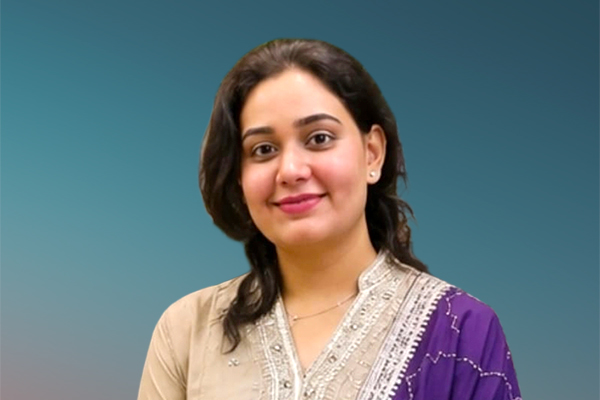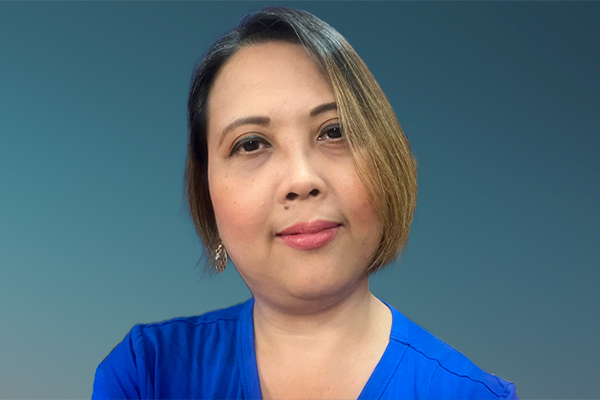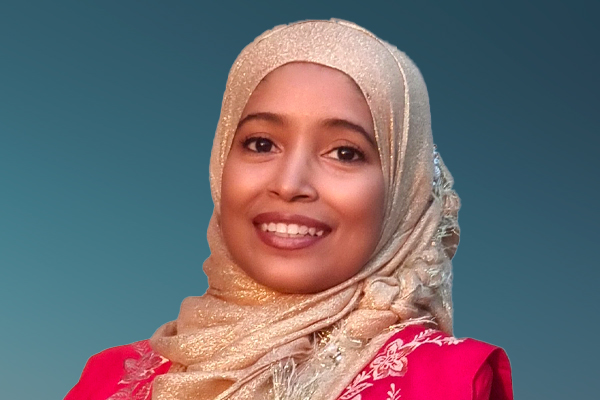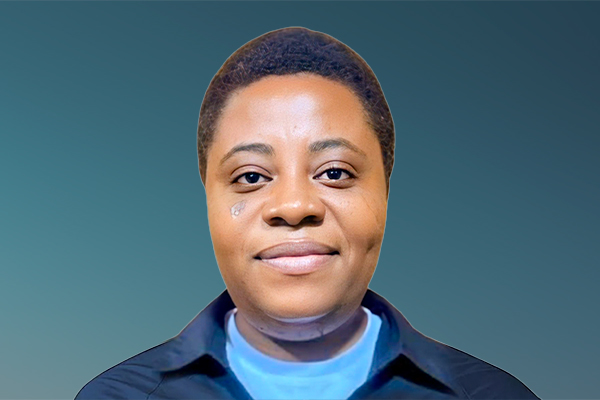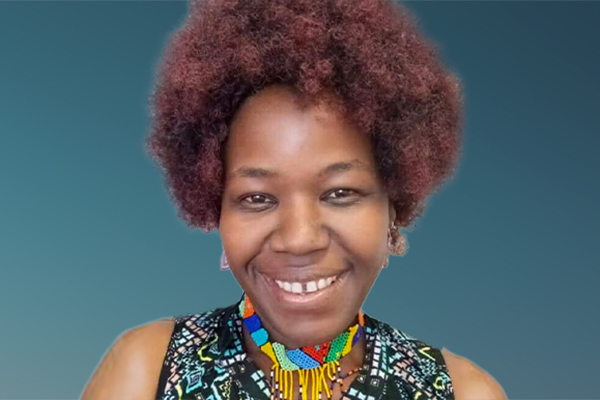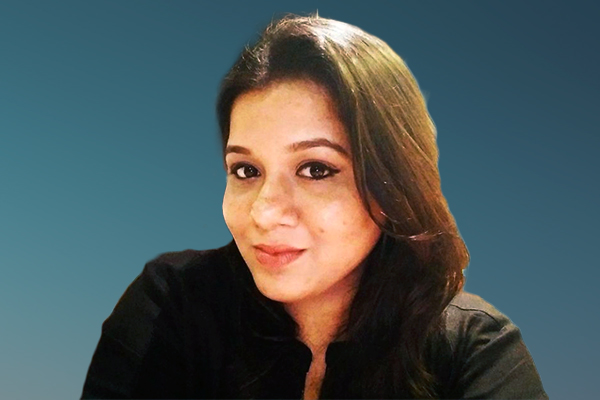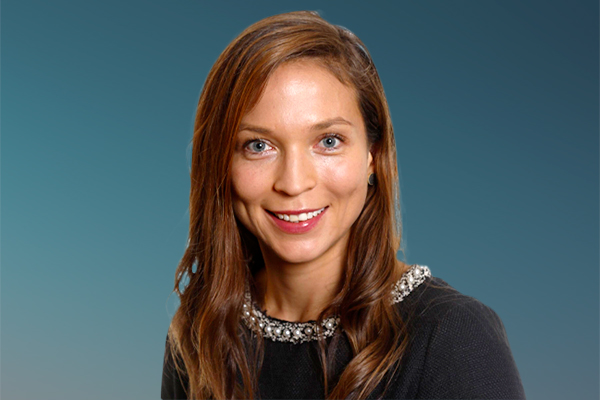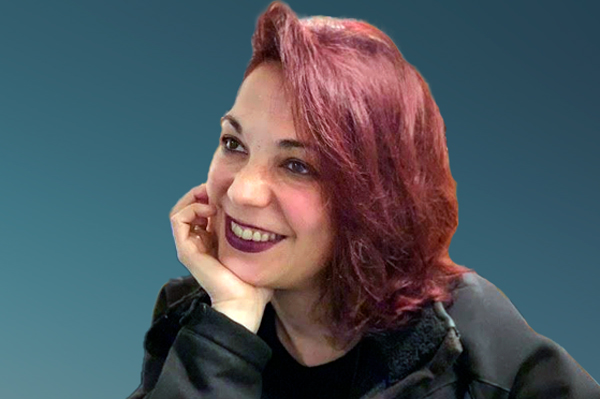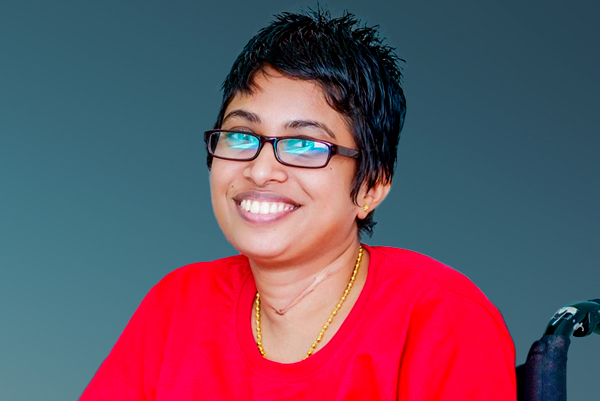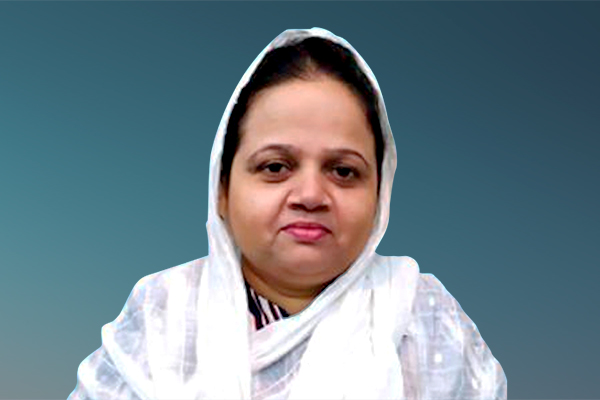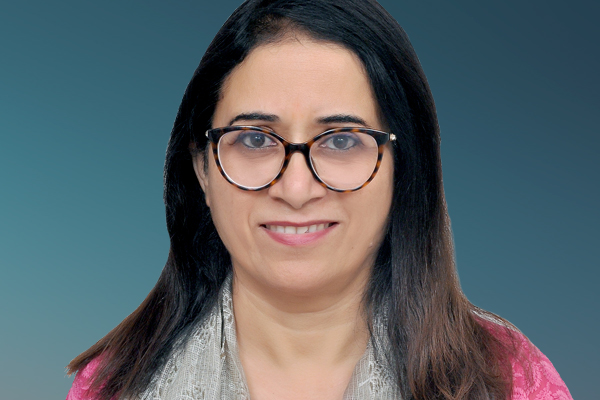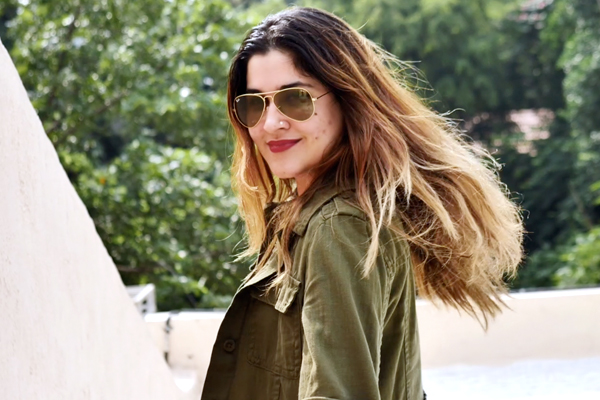
I am a research nutritionist from India, currently working in the field of clinical nutrition and noncommunicable disease research.
Living with PCOS and obesity has shaped my perspective on health, care, and the realities that often exist beyond clinical assumptions and appearances. Through my diary, I hope to contribute to more nuanced conversations around chronic conditions, body image, women’s health, and timely access to care.

30 June 2026
The weight of being seen
"You're going to become a dietitian? But look at yourself first. If you can't manage your own weight, how will you help someone else?"
I don't remember exactly what I replied to my aunt that day, but I remember what happened afterwards.
I cried.
Not because it was the first time someone commented on my weight. By then, I had heard enough jokes, advice, concern, and criticism. What hurt wasn't just her words but that she had said out loud what everyone else was thinking. I kept wondering whether this was all people saw when they looked at me. Not my knowledge,hard work or the years I spent studying nutrition. Just my body.
If that was true, what did it mean for the future I was trying to build?
My weight gain began during my adolescence. Around the same time, my periods became irregular. Everyone around me had an explanation—stress, studies, hormonal changes. It happens. I accepted those explanations because they were easier than asking difficult questions.
Then came hirsutism (facial hair growth). The weight continued to increase. During the COVID-19 lockdown, I reached 85 kilograms.
I knew about Polycystic Ovary Syndrome (PCOS), but I never thought it could be me. My periods were irregular, but they weren't painful. I kept telling myself it was stress, or that I wasn't exercising enough. So I exercised longer, hoping that if I tried harder, my body would eventually respond.
Years passed before I finally sought medical help. Part of the delay was financial. Part of it was fear. Part of it was the belief that my symptoms could wait.
When the investigations confirmed PCOS and Grade I fatty liver, I wasn't shocked.
Oddly enough, I felt relieved. It finally explained years of questions I had been carrying silently.
Today I am on treatment. I have made changes, lost weight, and started rebuilding my health.
But the comments, the weight fluctuations, and hirsutism have not disappeared.
And neither has the assumption that obesity is simply the result of poor choices or a lack of effort.
If there is one thing I have learned, it is that bodies often carry stories invisible to everyone else.
27 July 2026
The quiet reasons we wait
When I told one of my closest friends that I had been diagnosed with Polycystic Ovary Syndrome (PCOS), she shrugged.
"Why are you so worried? Everyone has PCOS these days."
Then she told me her own story. She had struggled with severe premenstrual symptoms, painful periods, prolonged bleeding, acne and fatigue for years before seeking help. Another friend never struggled with weight, so she never imagined she could have PCOS because, like many of us, she believed it only affected women with obesity.
At work, I met a patient whose goal was to lose weight. She had already consulted different nutritionists and tried to make changes, but continued to struggle. She casually mentioned irregular periods, acne and hair loss, which prompted me to look beyond the weighing scale and recommend further evaluation. Later, investigations confirmed PCOS.
What strikes me is how different the symptoms are from person to person. Some of us may be overweight; some may live with severe pain. Some bleed for weeks. I sometimes waited months for a period to arrive. But we all seemed to carry the same belief:
"This probably isn't serious enough."
As I reflected on those conversations, I realised something none of my textbooks had ever taught me.
Symptoms don't delay diagnosis.
False narratives do.
"It's just stress."
"At least you're getting your periods."
"Doctors will only prescribe hormonal pills."
"Everyone has PCOS."
Perhaps that is why my own diagnosis took years. It wasn't because I lacked knowledge. As a nutritionist, I understood the relationship between obesity, insulin resistance, fatty liver, type 2 diabetes and other NCDs, but when it came to my own body, knowledge wasn't what shaped my decisions. Fear, financial constraints, the belief that hormonal treatment would do more harm than good, and the hope that everything would eventually settle on its own did.
That was one of the hardest lessons of my journey.
Knowledge alone doesn't always lead to action. Emotions, financial realities, and social and cultural narratives also shape our health decisions.
Today, when I counsel patients and their families, I still talk about nutrition, physical activity and healthy lifestyles. But I also listen carefully to the stories they tell about their symptoms—the explanations they have accepted, the worries they hide, and the reasons they believe they can wait. I no longer think the biggest barrier is a lack of information.
If these conversations have taught me anything, it is this:
Almost every woman I spoke to had a quiet feeling that something wasn't right. We weren't waiting because we didn't notice. We were waiting because every voice around us—even our own—gave us one more reason to distrust that feeling.
25 August 2026
The conversations we leave behind
My journey has taught me that every body carries a story. Some stories are visible. Most are not. That is why I have become more careful, not only with my clinical questions, but also with my words.
Because words do more than describe a body. They shape how someone feels about living in it.
If I could ask one thing of anyone reading this, it would be this:
Before you comment on someone's body, pause.
You do not know the story it carries, or what it has endured.
Today, as a nutritionist, this understanding has changed the way I work. I still talk about nutrition, physical activity and healthy lifestyles, but I have realised that good care often begins before advice is given.
First, I listen.
I give people time and space to speak. I pay attention to what is said almost in passing. I ask one more question when something doesn't quite add up. When I feel further evaluation is needed, I encourage the person to seek it, explain why it matters, and reassure them that seeking help is not something to fear or delay.
Reassurance matters. It can make someone feel less alone. But I have also learned that reassurance should not replace curiosity.
Looking back, I don't think the people who told me, "It happens," or "It'll settle," meant to dismiss me. Perhaps they were trying to comfort me.
But sometimes, the most caring thing we can say isn't, "Don't worry."
It's, "Tell me more."
I wish families felt comfortable asking one more question instead of assuming a symptom will settle.
I wish friends knew that saying "everyone has it" may make someone feel less alone but it can also make seeking help feel unnecessary.
I wish healthcare professionals would listen beyond the obvious complaint, especially when a patient has learned to consider their symptoms normal.
And I wish we were more careful with comments about someone's body. We may see a shape, a size or a weight. We do not see the effort, illness, history, grief, or battles behind it.
A comment may take seconds to say and years to forget. A reassurance may take away someone's fear—or unintentionally give them another reason to wait.
So perhaps the change I am asking for is a small one.
Pause before you comment.
Listen before you reassure.
Ask before you assume.
We often think of prevention as something that happens through screening, diagnosis, treatment, or lifestyle change. But prevention can begin much earlier—in the moment someone feels safe enough to say, "Something doesn't feel right," and someone else chooses to listen.
The conversations we have about our bodies can shape whether and when we seek help.
Perhaps changing our conversations is where prevention truly begins.
NCD Diaries
Awareness begins the moment we stop normalizing our suffering.
Divya Manoj Jagad, lived experience of multiple chronic conditions, India
About NCD DIARIES
The NCD Diaries use rich and immersive multimedia approaches to share lived experiences to drive change, using a public narrative framework.