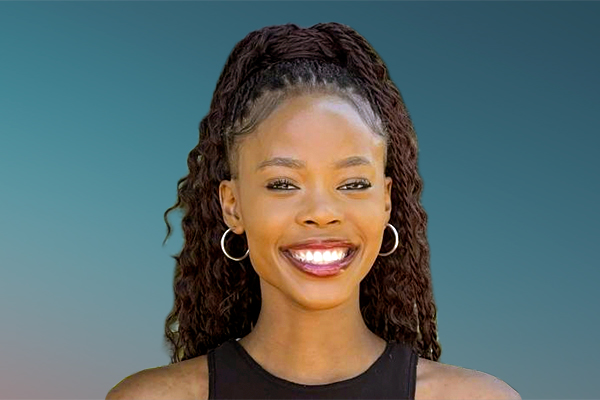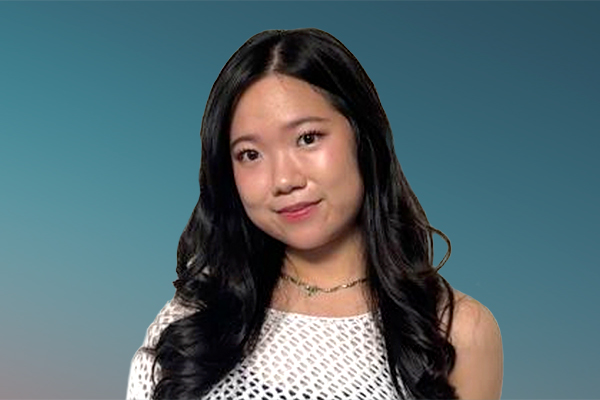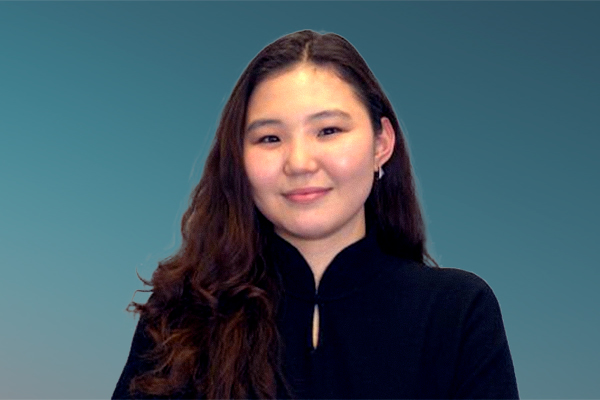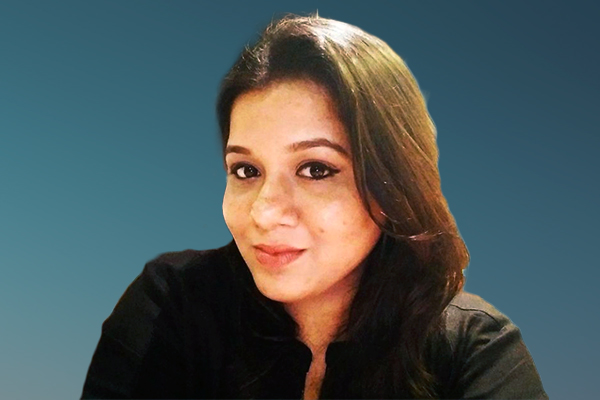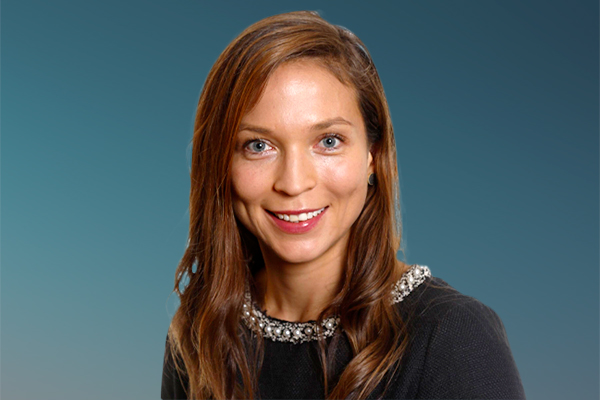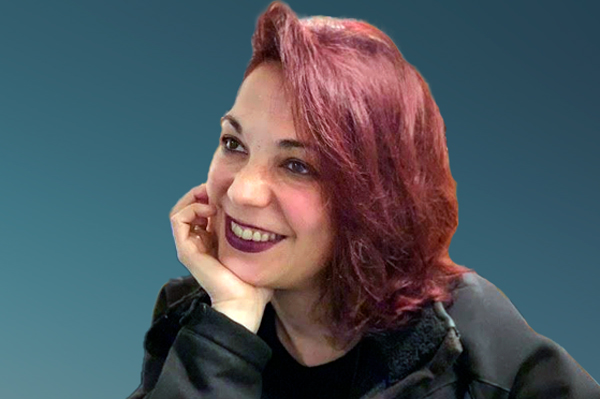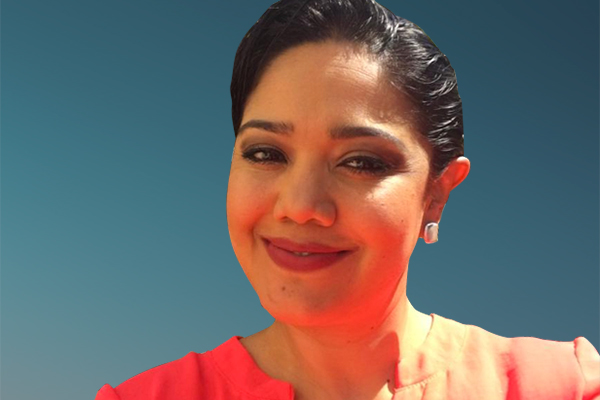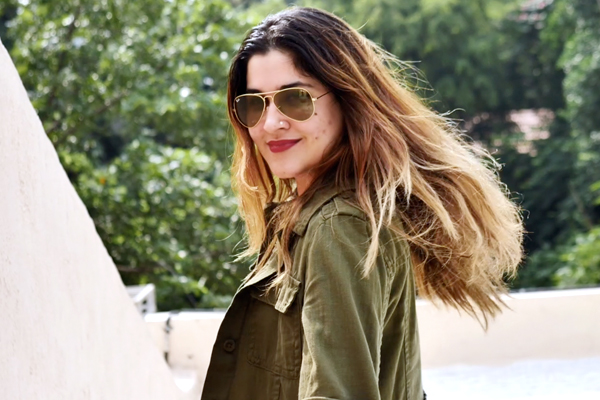
My name is Nomundari, but please call me Nomu. I am from Ulaanbaatar, Mongolia, one of the coldest and most polluted capitals in the world. I grew up there, but I am currently living in Paris, France.
I am a climate activist and a voice for my peers. Through this diary, I hope to take you on a journey of understanding, reflection, and memory. Perhaps you will agree with me, perhaps you will not, but remember that these pages are not data or statistics, they are my lived experiences. They do not need exaggeration because reality speaks for itself.
As I write, I carry with me the lessons, challenges, and hopes that have shaped my journey. I believe that change begins when people are willing to listen, learn, and act.

5 July 2026
The Air That Raised Me
There was a running joke where I grew up: “We will have fresh air in the summer.”
Winter in Ulaanbaatar didn't just mean snow and freezing temperatures. It meant smoke so thick it became part of everyday life. We counted down the months until we could breathe again.
When you're born into something, you don't question it. I didn't know the air around me was unusual. I thought every child walked to school through air that burned their throat. I thought everyone's chest tightened when they laughed too hard outside. I thought it was normal to pull my scarf over my face and breathe into it to make the walk a little easier. I thought winter was supposed to hurt.
One of my earliest memories isn't of the cold but of the smell. Every morning we'd get to school and ask each other, "Can you smell my hair?" It always smelled like smoke, the kind that clings to you after standing next to someone smoking a cigarette. No matter how recently you'd showered, no matter how much shampoo your mum used, winter always won. I'd ask my parents why my hair smelled like that. I'd look out the window and wonder why the sun looked grey even on bright days. I knew what haze was before I knew what fog was. I just didn't have the words to explain what I was seeing. Back then, I wasn't thinking about air pollution.
In primary school, everyone knew me as the girl who ran. I raced through hallways, across the playground, anywhere my legs could take me. Running wasn't something I did. It was who I was. I didn’t know then that breathing polluted air every winter was making my asthma worse. I only knew that each winter, running became a little harder than the one before. Eventually, after years of breathing polluted air, I had an asthma attack. I stopped running. Not because I wanted to. Because I couldn’t. From fourth grade onwards, physical education became something I watched instead of joined. I sat on the sidelines doing whatever small movements my teachers thought I could manage. Every year I hoped things would change. I watched from the bench. I felt angry.
My parents tell stories about waking up after fresh snowfall and spending the whole day outside building snowmen or throwing snowballs. My little sister and I grew up differently. The snow we saw quickly turned grey with soot. Something as simple as playing outside became a choice to think twice about.
The air raised me. It decided how long I could stay outside, what my hair smelled like, and eventually, that the little girl everyone knew as “the runner” would spend the rest of her school years watching from the sidelines.
31 July 2026
It was never just me
Growing up, I thought air pollution only affected me.
I knew what it felt like to struggle to breathe. I knew what it was like to let go of certain activities, and to spend winters wondering if my health would get worse. But I never stopped to think that everyone around me had their own version of that story.
It wasn’t until I began speaking publicly about air pollution and climate change that I started to see the bigger picture. After talks and events, people would come up to me to share their own experiences. Parents told me about their children who spent winter moving between home and the hospital. My peers spoke about allergies and chronic coughs. Others simply wanted to speak to someone who understood what it felt like to worry every time winter arrived.
Even within my own family, I realised how deeply air pollution had shaped our lives. My aunt lost her baby after a pregnancy that continued through the winter. Years later, I learned that polluted air had reduced the oxygen reaching her baby, affecting its development. Until then, air pollution had meant inhalers, coughing and chest pain. Suddenly, it meant something else entirely. It wasn’t only shaping the lives of children. It was shaping the lives of entire families.
Every winter in Mongolia, schools close for around a month. Every year,adults debate whether it is safe for kids to go back to school. Imagine growing up where one of the biggest questions each winter isn’t what you’ll learn next semester, but whether the air is safe enough for you to breathe on your way to class.
The more stories people shared with me, the more I realised that asthma was only one piece of a much bigger picture. Different families. Different experiences. The same air. The more stories people shared with me, the harder it became to find where mine ended and someone else’s began.
21 August 2026
Too loud? Good.
I don't think I ever knew how to stay quiet. I was the little girl who never stopped asking questions. I was called annoying. I was told to "be quiet" more times than I can count. It never worked. I have to ask. Because when I don't ask, no one else does either.
I don't know how to carry uncertainty without trying to do something about it. Maybe that's why I became an advocate. Not because I believed I could solve everything, but because I couldn't pretend the questions didn't exist. Those questions eventually took me further than I ever imagined. They led me to establish Fridays for Future Mongolia. They took me from classrooms in Ulaanbaatar to speaking at the United Nations and sitting across from ministers, CEOs and decision-makers. Before those meetings, people would tell me to be less direct and restrict my questions. But if I had spent my life trying to restrict myself, I would never have become who I am today. I would never have had the privilege of representing my generation or carrying the stories of people who trusted me to speak when they couldn't.
After every speech, campaign and meeting, I find myself asking the same questions: Did I make a difference? Will anything actually change? I still don't always have the answers. But I do know what happens when no one speaks. Nothing. So this is my ask.
To governments, stop treating clean air as only an environmental issue. Every decision about energy, transport and urban planning is also a decision about public health. Children should never have to wonder whether it is safe to walk to school or whether another winter will mean another month away from their friends.
To businesses and industry leaders, remember that innovation should improve people's lives, not come at the expense of their health. The solutions already exist. What we need now is the push to implement them.
To educators and community leaders, encourage young people to ask difficult questions instead of teaching them to stay quiet.
And to every young person reading this, know that your voice matters. If speaking in public feels impossible, that's okay. You don't have to stand on a stage. Whisper your story to someone you trust. Whisper it to me, and I'll shout it for you. But if you've spent your whole life being told you're "too much," "too loud," or "too opinionated," don't make yourself smaller just to make other people comfortable. Shout with me. Remember that the world doesn't change when we stay silent. Listen. Learn. Find your moment. Then speak until your voice gives out.
I want children to grow up asking why the sky is blue, not why it's grey. I want them to remember winter for snowball fights, not school closures and hospital visits. And I want every young person who has ever been told to "be quiet" to know that asking difficult questions is never something to be ashamed of. Questions are where change begins.
NCD Diaries
Screaming at the top of your lungs every day is painful, but sitting in silence, waiting for something to happen is soul-crushing.
Nomundari Urantulga, lived experience of multiple chronic conditions, France
About NCD DIARIES
The NCD Diaries use rich and immersive multimedia approaches to share lived experiences to drive change, using a public narrative framework.